There’s a phrase photographers use all the time: photogenic location.
I’ve used it myself. We probably all have.
You see somewhere dramatic, beautiful or unusual and immediately think, I could get some good photographs there.
Mountains. Ancient streets. A spectacular coastline. A city full of interesting architecture. Somewhere with fantastic light pouring through narrow streets.
You don’t really have to convince yourself to get the camera out.
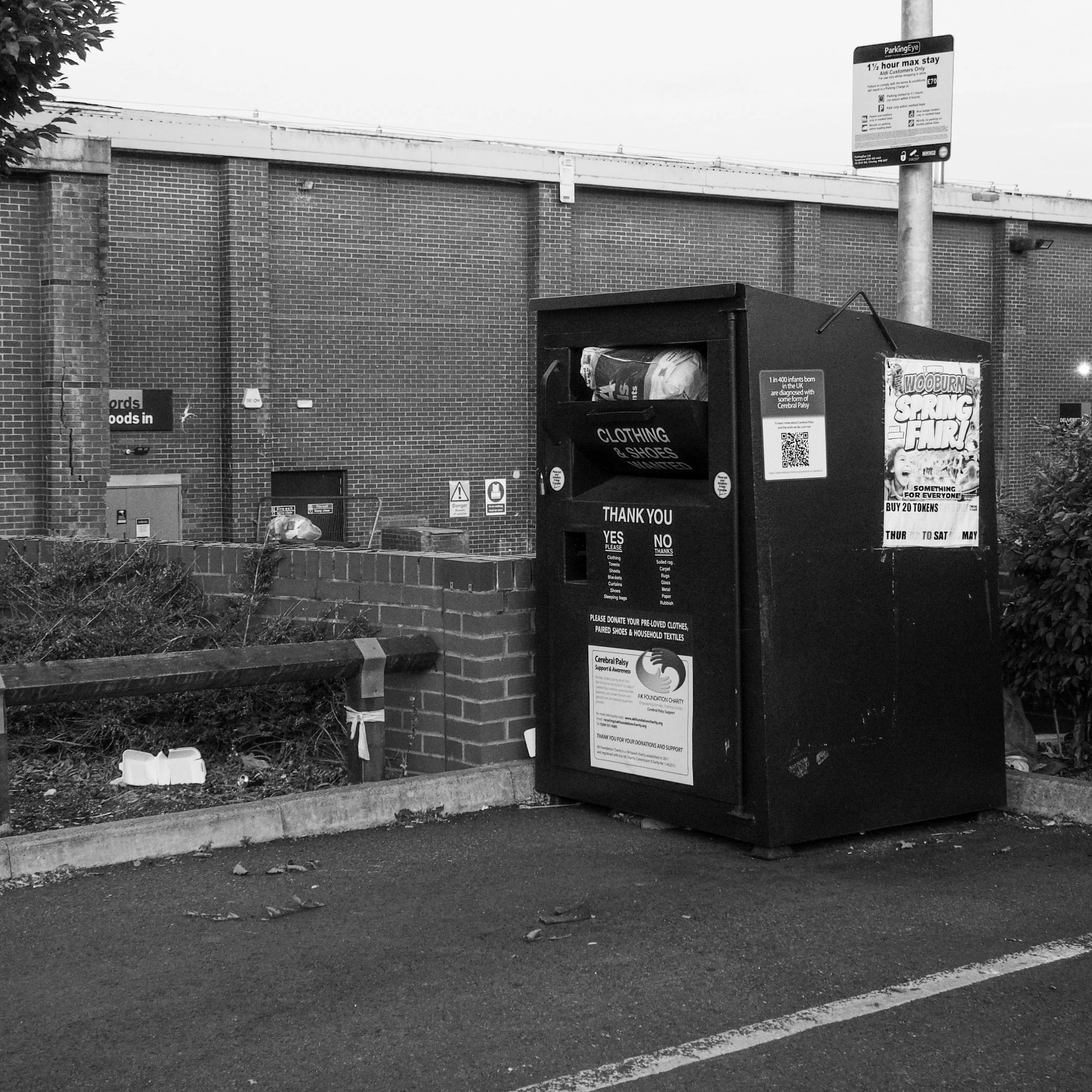
But what about the industrial estate down the road? The local shopping precinct? A bus stop? A row of garages? The back of the supermarket?
Suddenly the enthusiasm disappears.
There’s nothing there.
It’s boring.
Except I’m increasingly convinced that “boring” is often something photographers decide before they’ve actually looked.
We’ve become very good at recognising things that are already visually interesting. Perhaps the harder skill is recognising a photograph when the subject itself isn’t doing all the work for us.
And that raises a slightly uncomfortable question.
If we only photograph things that are already beautiful, dramatic or interesting, how much of the photograph is actually ours?
The Search for Somewhere Photogenic
Photography and location hunting have always gone together.
Landscape photographers travel enormous distances for particular views. Street photographers head towards busy cities. Travel photographers look for historic districts, markets and interesting architecture.
There’s absolutely nothing wrong with any of that.
I love photographing somewhere new as much as anyone.
But there’s a danger in believing that the location is responsible for the photograph.
Go online and you can find endless lists of the best photography locations. The best viewpoints. The best cities for street photography. The best places for landscape photography.
It can slowly create the impression that good photography is waiting somewhere else.
Somewhere more dramatic.
Somewhere more interesting.
Somewhere we need to travel to.
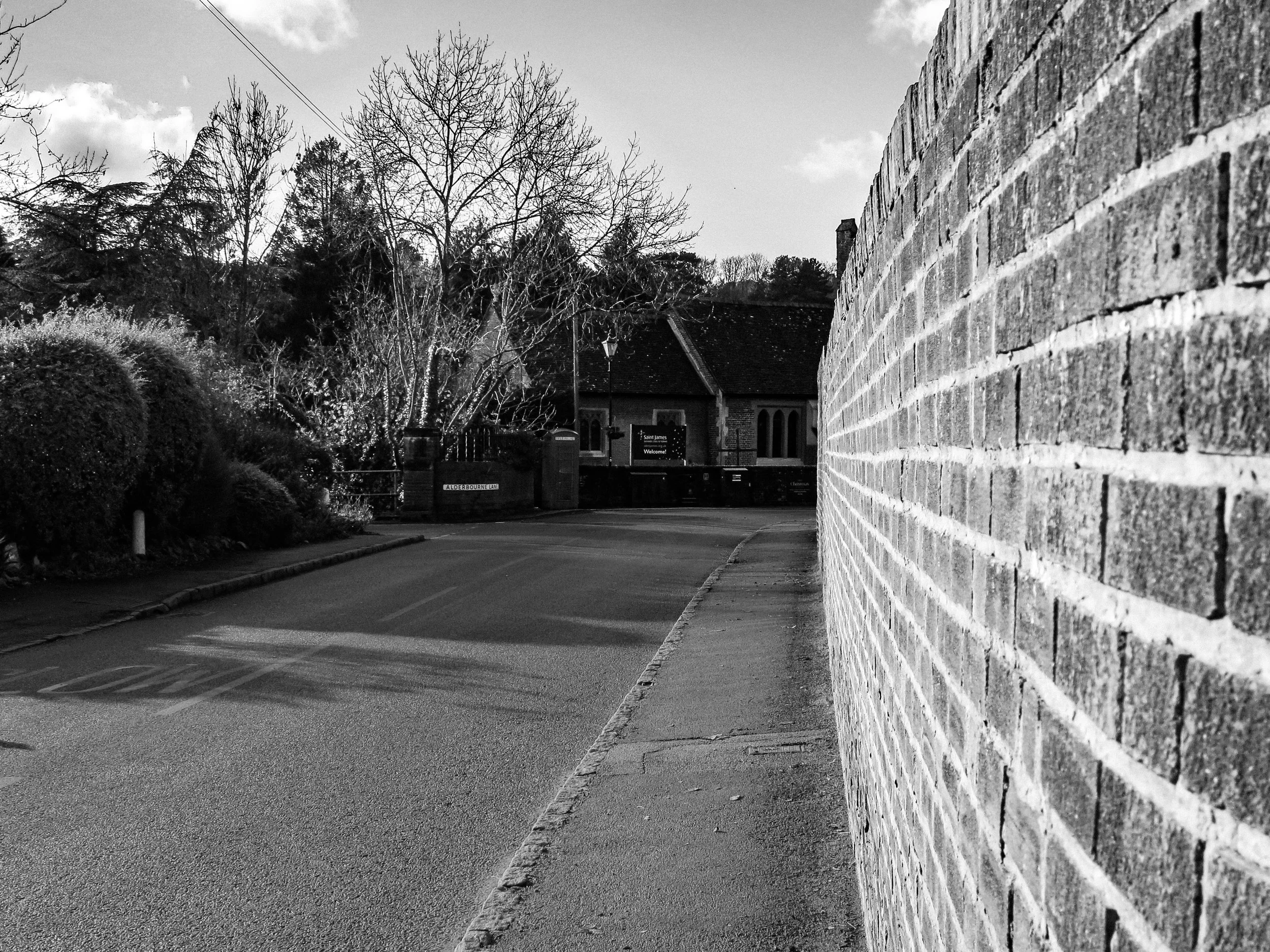
Meanwhile, most of us spend the vast majority of our lives surrounded by completely ordinary places.
I live amongst villages, small towns, roads, retail parks, housing estates and bits of countryside. None of it is going to appear on anyone’s list of the world's greatest photography destinations.
Yet that’s where most of my photographs are made.
Not because I’ve convinced myself these places are secretly spectacular.
They aren’t.
They’re ordinary.
That’s precisely what interests me.
Why Do We Only Photograph the Nice Bits?
Walk around almost any town with a camera and there’s a strange selective process going on.
We photograph the old church but not the modern office beside it.
We photograph the attractive independent shop but ignore the closed unit three doors down.
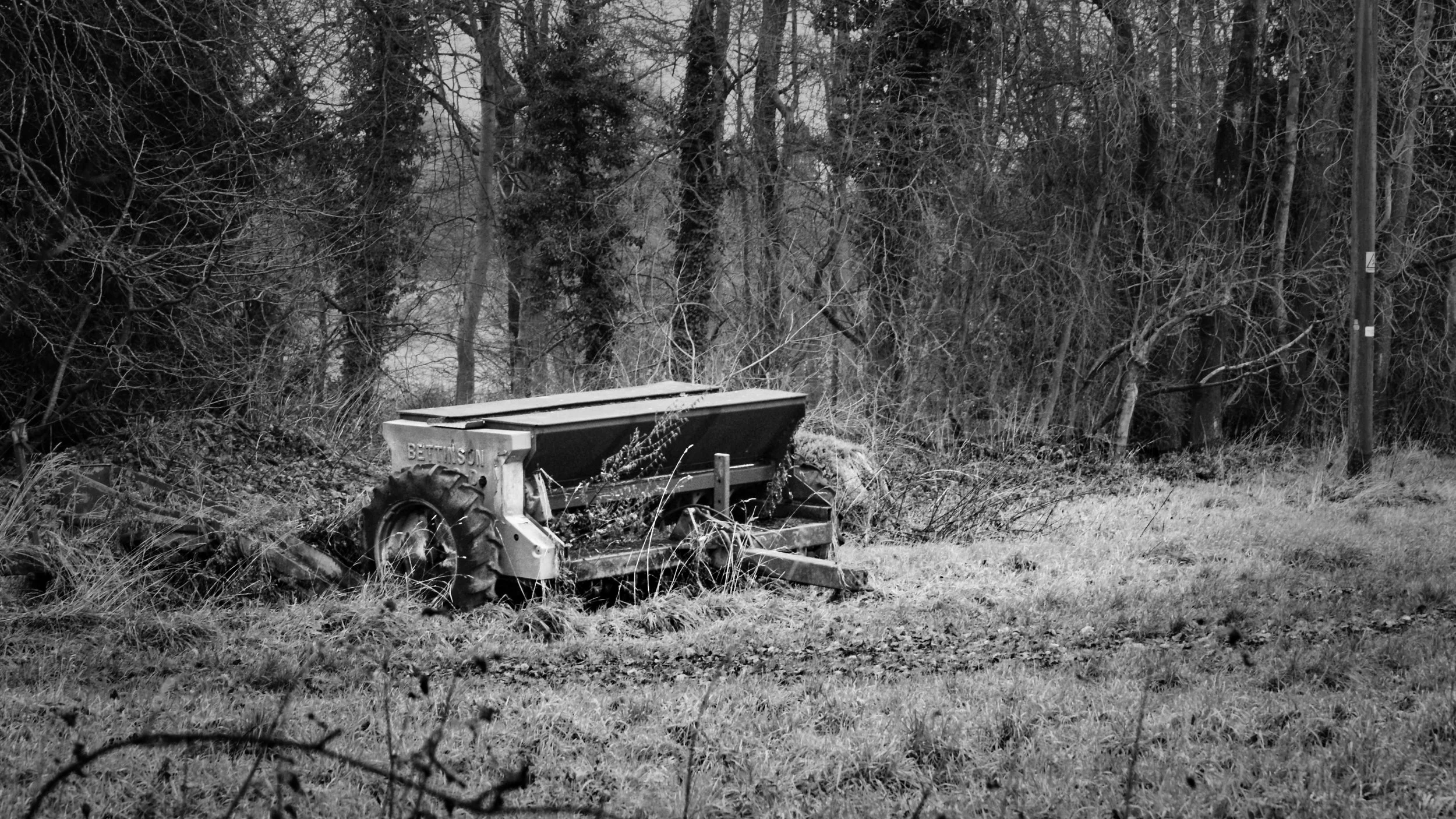
We photograph the village green but not the car park behind it.
We photograph the historic railway station but perhaps not the bicycle rack, ticket machine or collection of warning signs around the corner.
Even when we're photographing everyday life, we tend to tidy it up.
Move slightly to remove the wheelie bin.
Wait until the van gets out of the way.
Avoid the ugly sign.
Find the angle that makes everything look a little nicer than it really is.
Again, there’s nothing wrong with that.
Photography is selective by nature. Pointing a camera in one direction means deliberately excluding everything outside the frame.
But I think it’s worth occasionally asking why we exclude the things we do.
Is that object actually ruining the photograph?
Or have we simply decided it isn’t worthy of being photographed?
There’s a difference.
A battered bench, graffiti-covered shutter, discarded shopping trolley or collection of road signs might not be beautiful.
That doesn’t mean it cannot make an interesting photograph.
In fact, sometimes those are the things that tell us far more about a place than the picturesque bits everyone notices.
The Photographs We Walk Past
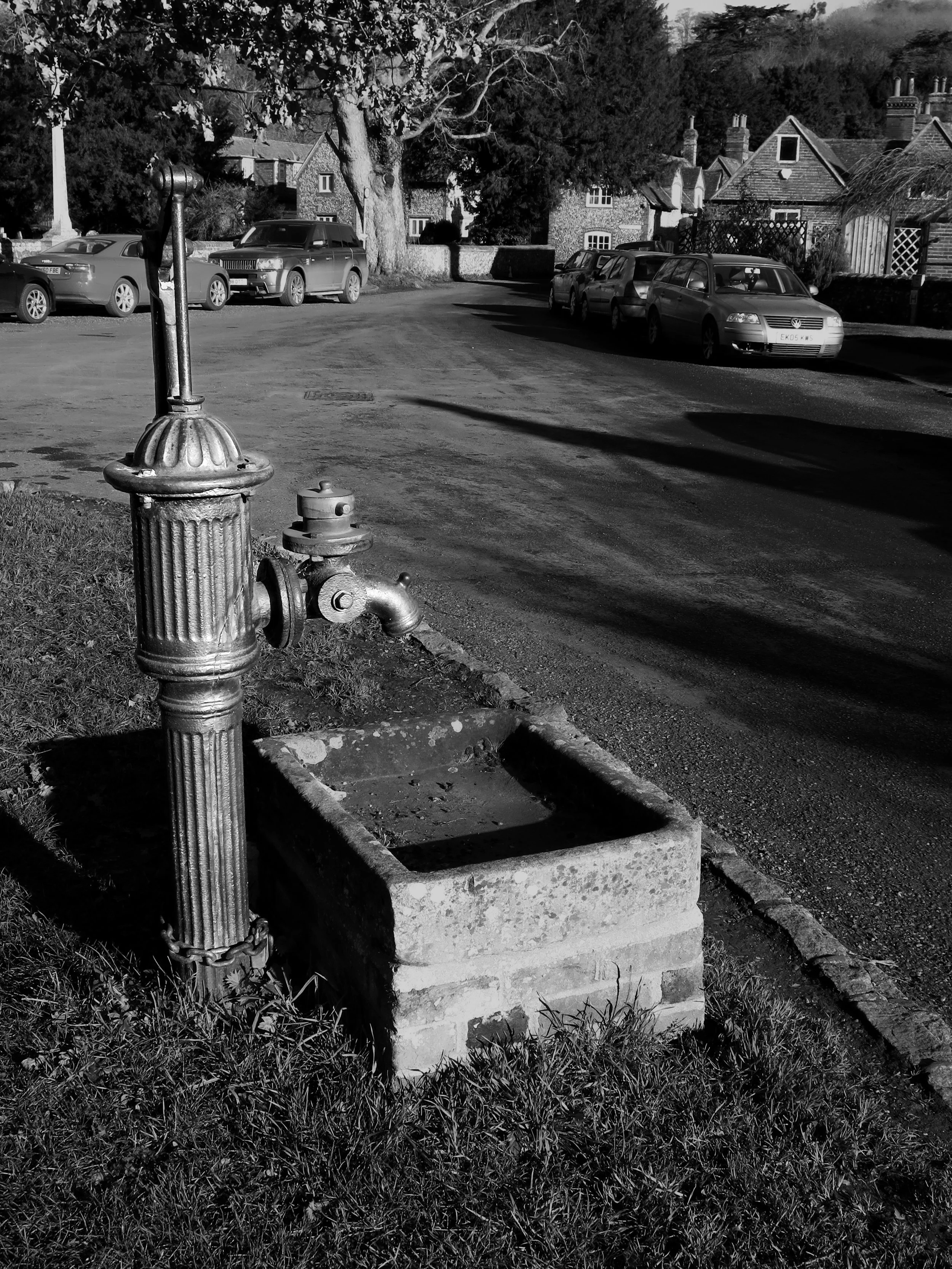
I think some of the most interesting photographs are ones we nearly don’t take.
Not because we deliberately decide against them.
Because we don’t even see them as photographs.
We walk straight past.
Our brains seem to categorise things incredibly quickly.
Tree.
Shop.
Car.
Fence.
Bus stop.
Nothing interesting here.
Keep walking.
But photography becomes much more enjoyable when those labels start disappearing.
Instead of seeing a bus stop, you notice the shape of the shelter against the building behind it.
Instead of seeing some garages, you notice the repetition of the doors, numbers, stains and repairs.
Instead of seeing an empty car park, you notice the single pool of light beneath a lamp.
The subject hasn’t changed.
What changed was your attention.
That’s a big part of what photography has gradually become for me.
Not constantly looking for something extraordinary.
Looking harder at what’s already there.
There are probably photographs within a mile of where you live that you’ve passed hundreds of times without noticing.
I know there are around me.
Sometimes I notice something now and wonder how the hell I managed not to see it for years.
That’s one of the things I love about photography.
The world doesn’t necessarily become more interesting.
You become more interested in it.
Does Every Photograph Need a Person?
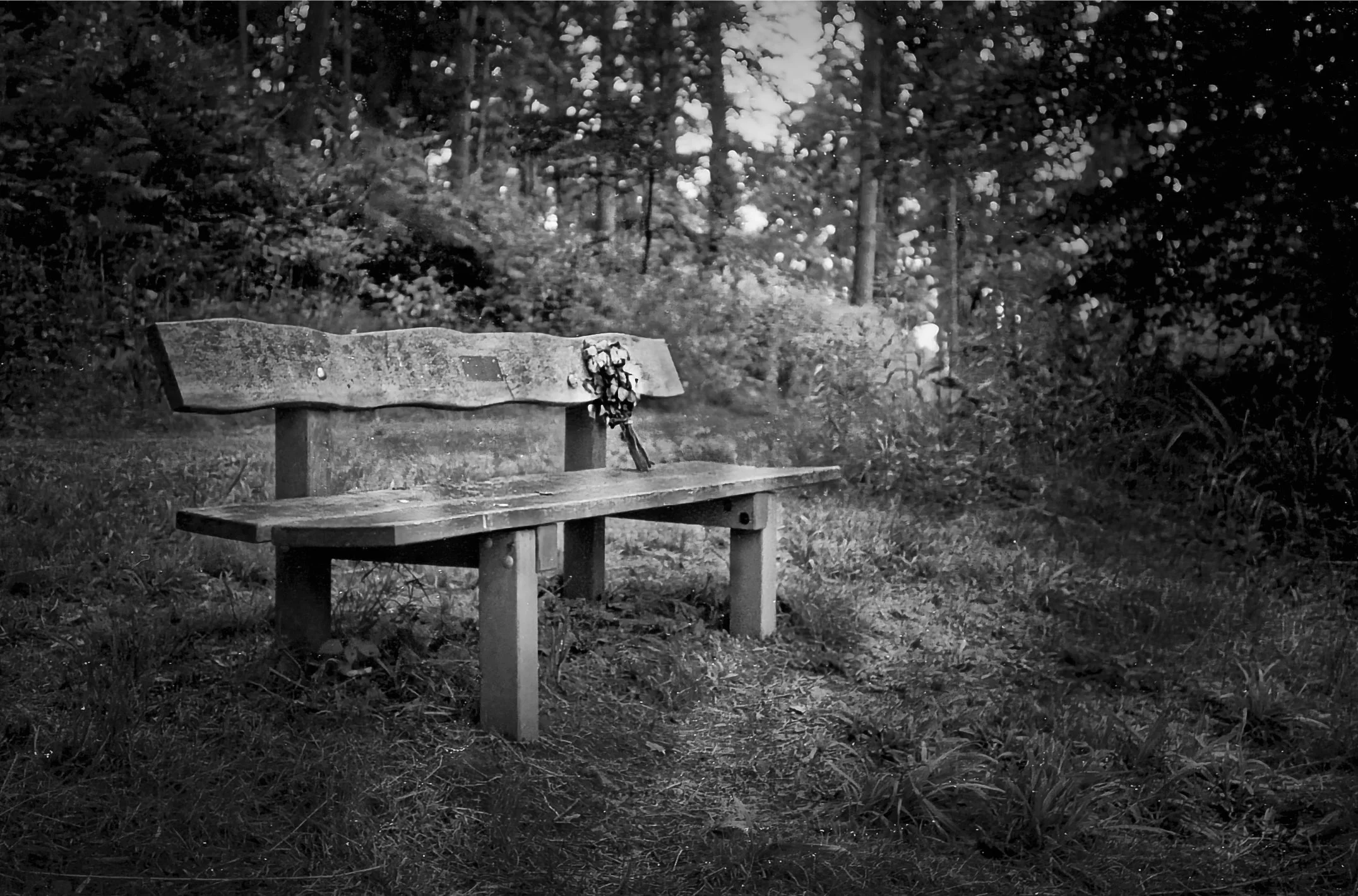
Another assumption I regularly come across is that photographs of towns and streets somehow need people.
Particularly once anything gets labelled street photography.
Apparently the road can be interesting, the building can be interesting and the light can be interesting, but without a person walking through the frame something is missing.
I don’t agree.
Sometimes a person improves the photograph enormously.
They can add scale, movement, humour, tension or simply give the eye somewhere to go.
But sometimes they’re just a person who happened to walk into an otherwise perfectly good photograph.
I’m equally interested in the evidence people leave behind.
A bicycle chained to a railing.
Chairs stacked outside a café.
Shopping trolleys waiting outside a supermarket.
A child's toy left in a garden.
A blanket thrown across a car windscreen before a hot day.
Closed shutters waiting for somebody to arrive with a key.
None of those things require the person responsible to be standing beside them.
In some cases, their absence is what makes the photograph interesting.
You know somebody has been there.
You know somebody will probably return.
Their presence exists within the photograph without them physically appearing in it.
That fascinates me far more than automatically waiting for somebody to walk through the frame just because I've decided the photograph needs a human subject.
People are part of the built environment.
So are all the things they leave behind.
Does Every Photograph Have to Be Beautiful?
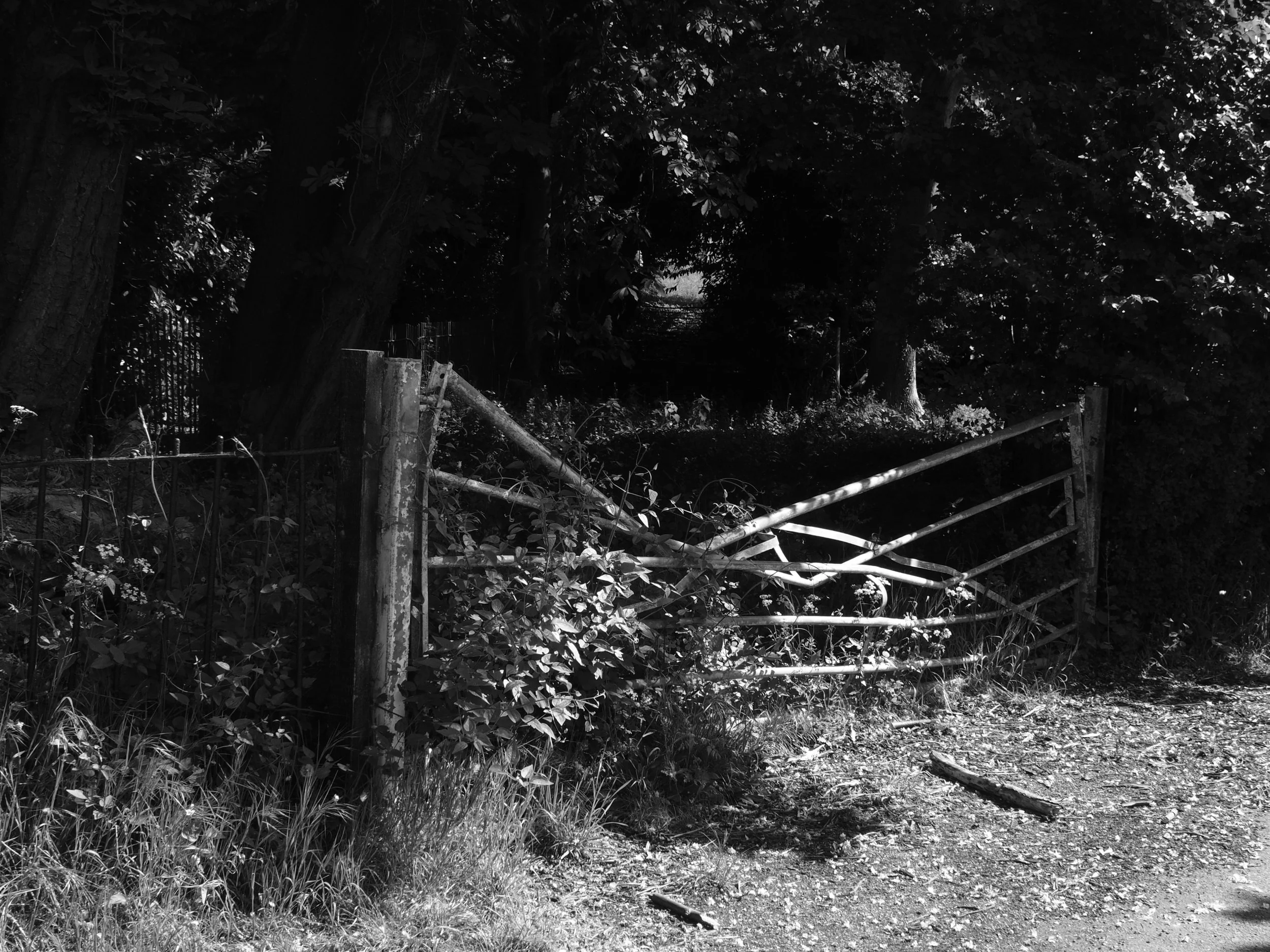
This is probably the bigger question underneath all of this.
Why do we expect photographs to be beautiful?
Obviously, beauty works.
A dramatic landscape in perfect light is beautiful.
A perfectly composed architectural photograph can be beautiful.
There’s nothing wrong with making beautiful photographs.
But beauty is only one reason for making a photograph.
A photograph can be interesting.
Funny.
Uncomfortable.
Quiet.
Strange.
Documentary.
Ordinary.
Historically useful.
Personally meaningful.
Or it can simply make somebody stop for a second because they’ve never really looked at that particular thing before.
None of those require conventional beauty.
Some photographs I like most wouldn’t look particularly impressive printed six feet wide on a gallery wall.
That doesn’t bother me.
They weren’t created to impress somebody from the other side of a room.
Sometimes a photograph simply needs to reward somebody for looking at it.
There’s also a danger that constantly chasing beautiful photographs produces an increasingly beautiful version of a world that doesn’t actually exist.
Real places contain ugly extensions, cracked pavements, roadworks, bins, boarded-up shops, cheap signs, parked cars and badly repaired brickwork.
That's what places look like.
Remove all of it and eventually you aren't photographing the place anymore.
You're photographing the version you've decided people ought to see.
Boring Isn't the Same as Bad
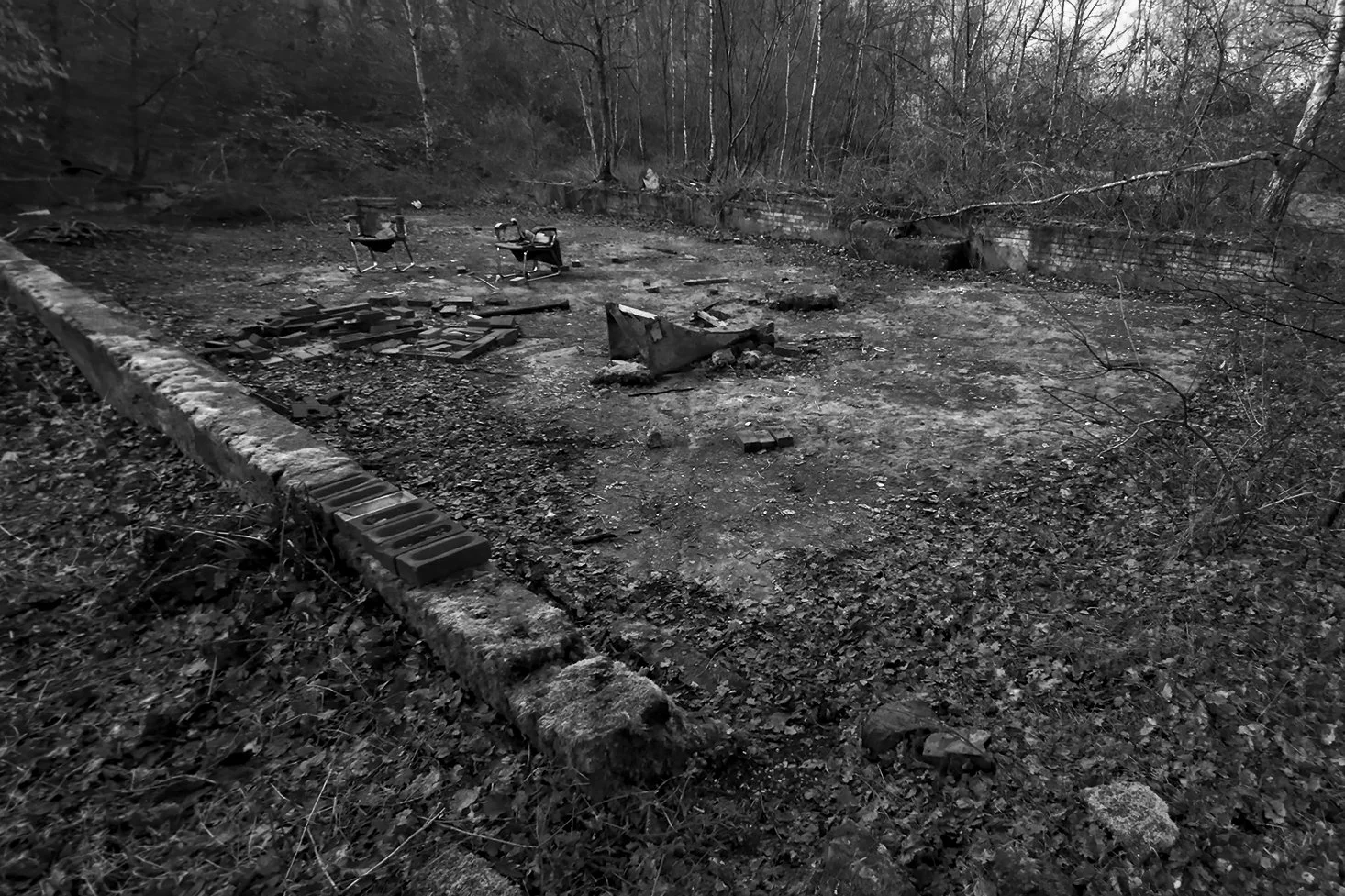
A boring subject does not automatically produce a boring photograph.
And an interesting subject certainly doesn’t guarantee an interesting photograph.
We've probably all seen thousands of dull photographs of spectacular places.
The mountain might be incredible.
The photograph isn't necessarily.
Equally, something completely ordinary can become visually interesting through composition, timing, light, context or simply because the photographer noticed something everyone else ignored.
That's where the photographer actually has to do some work.
Photographing a spectacular sunset means starting with something spectacular.
Photographing the side of a closed shop means starting with considerably less.
You have to find the photograph rather than simply recognise the subject.
I think that's a useful exercise regardless of what kind of photography you normally do.
It teaches you to stop asking, Is this place interesting enough?
And start asking, Is there a photograph here?
Those are two completely different questions.
Familiarity Can Make Us Blind
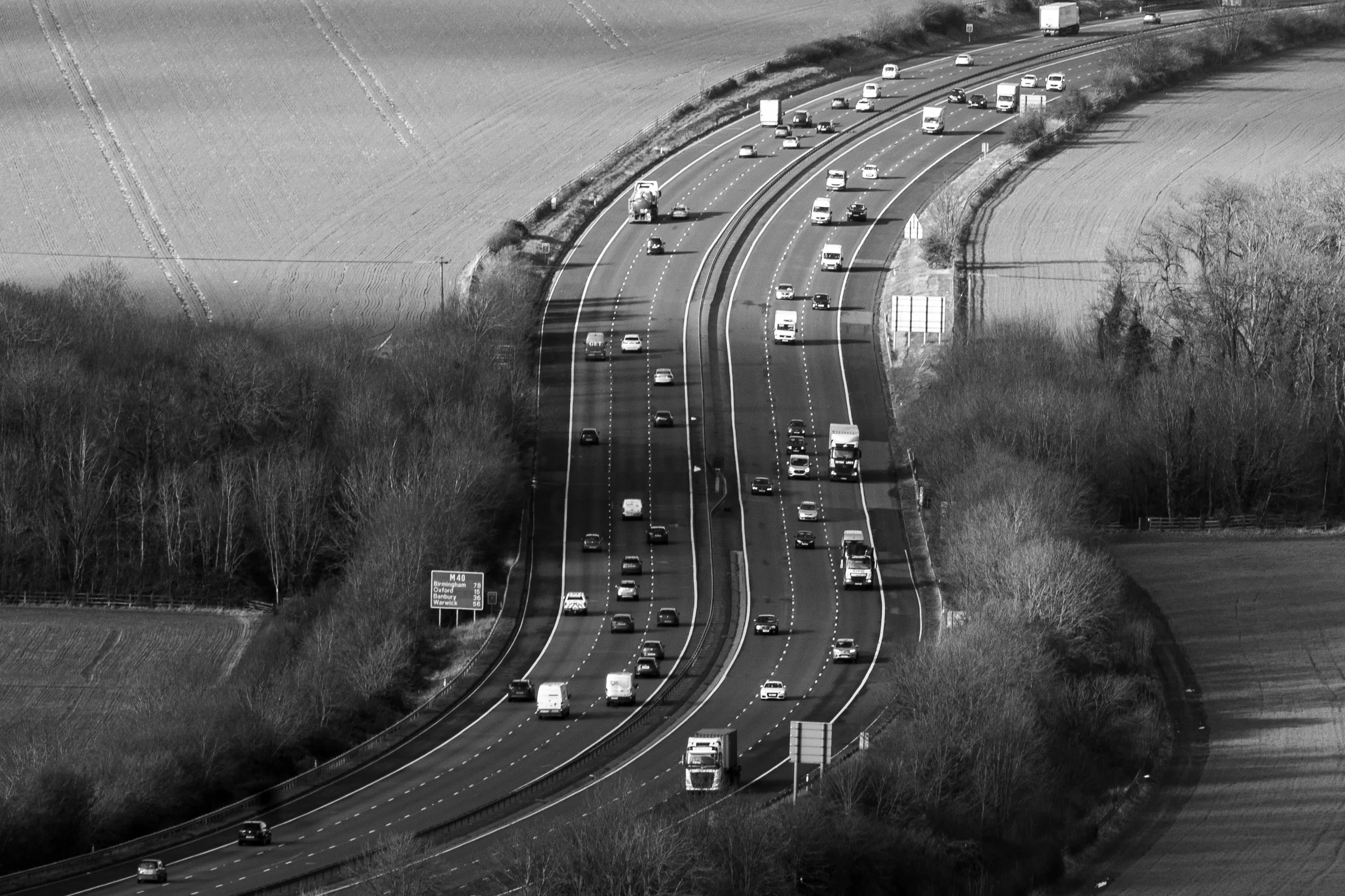
There’s another problem with photographing close to home.
You know it too well.
Drive past the same road every day and eventually you stop seeing it.
The buildings disappear into the background.
You know what's around the next corner before you get there.
Nothing surprises you.
A visitor might notice ten things within five minutes that you haven’t looked at properly for ten years.
That familiarity can make local photography difficult.
But it can also become an advantage.
Because once the obvious novelty has disappeared, you can start paying attention to smaller things.
You notice what changes.
A shop closes.
A sign appears.
Something gets repainted.
Something gets demolished.
A building looks completely different at five in the morning compared with five in the afternoon.
You realise that a place you thought you knew has probably never looked exactly the same twice.
Weather changes it.
Light changes it.
Seasons change it.
People change it.
Sometimes simply approaching it from the opposite direction changes it.
You don’t necessarily need a new location.
Sometimes you just need to stop assuming you already know the old one.
Stop Waiting for the Photograph
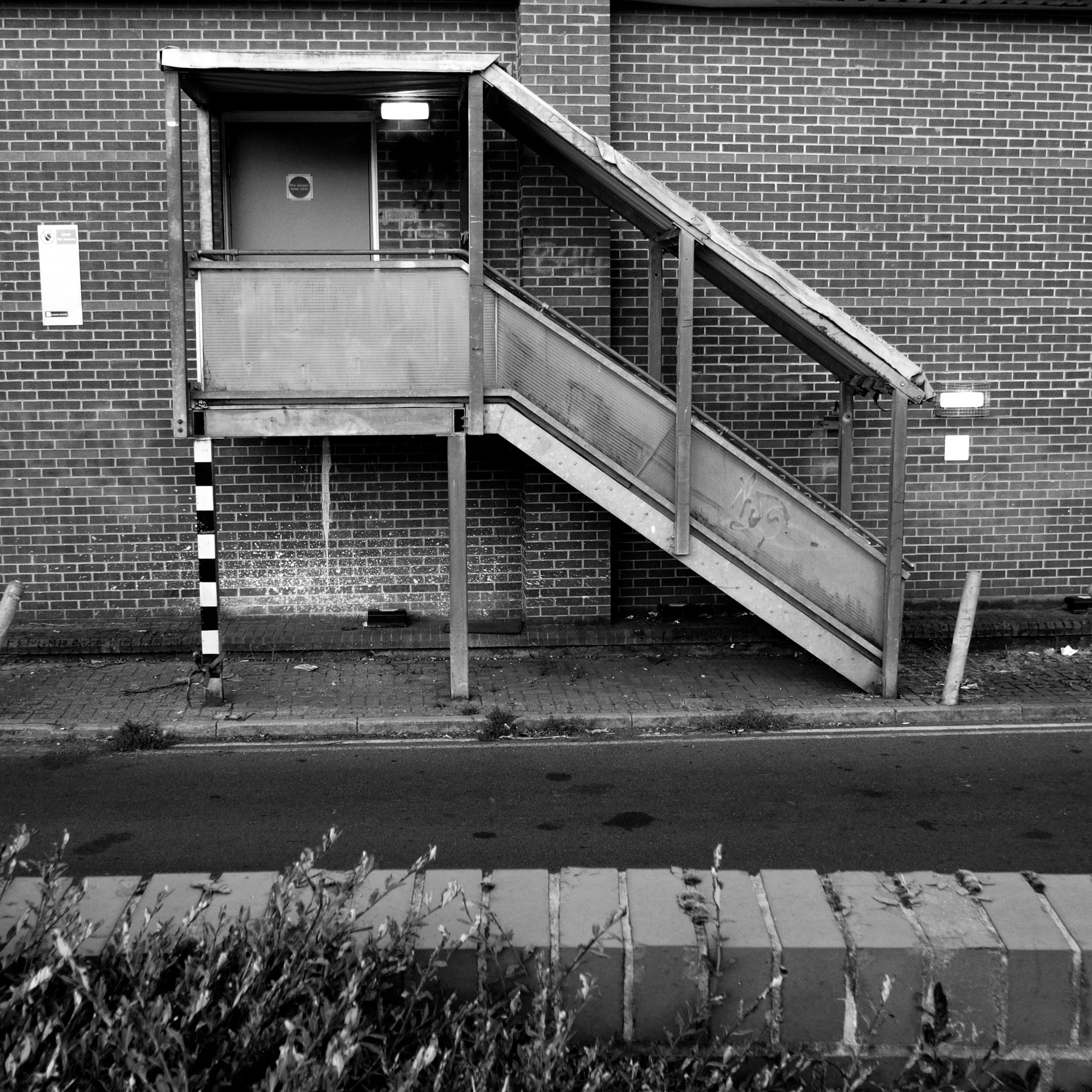
There’s also something liberating about not needing ideal conditions.
I’m not saying light doesn't matter.
Of course it does.
Photography literally depends on it.
But I've become less interested in waiting for everything to be perfect.
If the weather is overcast, that's what I've got.
If the light is harsh, that's what I've got.
If the sky is blank, then perhaps the sky doesn't need to be important in the photograph.
I shoot what I’m given.
There’s something useful about removing the expectation that every outing has to produce the photograph.
Sometimes you walk for two hours and come back with very little.
Fine.
Sometimes you photograph something you’re unsure about and only realise later why it caught your attention.
Sometimes you make a photograph that isn't particularly good but it leads to another one that is.
That's part of it.
The camera becomes less of a machine for collecting finished photographs and more of a reason to keep looking.
Ordinary Places Are Still Places
Perhaps that's what bothers me most about describing locations as boring.
They might not be spectacular.
But they still exist.
People live there.
Work there.
Wait for buses there.
Buy their food there.
Walk dogs there.
Open shops there.
Park cars there.
Grow old there.
The most ordinary-looking street imaginable contains thousands of lives passing through it.
Why should that be less worthy of being photographed than somewhere famous?
In twenty or thirty years, many of those ordinary places won't even look the same.
The beautiful landmark will probably still have thousands of photographs taken of it.
The unremarkable corner shop that disappeared in 2032 might have almost none.
I'm not suggesting every photograph needs to become some grand historical document.
Most won't.
But ordinary doesn't mean meaningless.
And boring doesn't mean invisible.
Maybe the Location Isn't the Problem
So, can you make good photographs in boring places?
I think the question is slightly wrong.
Perhaps there aren't boring places.
There are just places we've stopped paying attention to.
I'm not giving up spectacular landscapes, interesting cities or beautiful buildings. If I'm standing somewhere incredible with a camera, I'm going to photograph it.
But I don't want to depend on those places to make photography worthwhile.
I'd rather be able to walk out of my front door, wander around somewhere I've seen a thousand times and still find something that makes me stop.
Because ultimately photography isn't only about showing people extraordinary things.
Sometimes it's about showing them an ordinary thing they hadn't noticed.
And perhaps that's the more difficult photograph to make.