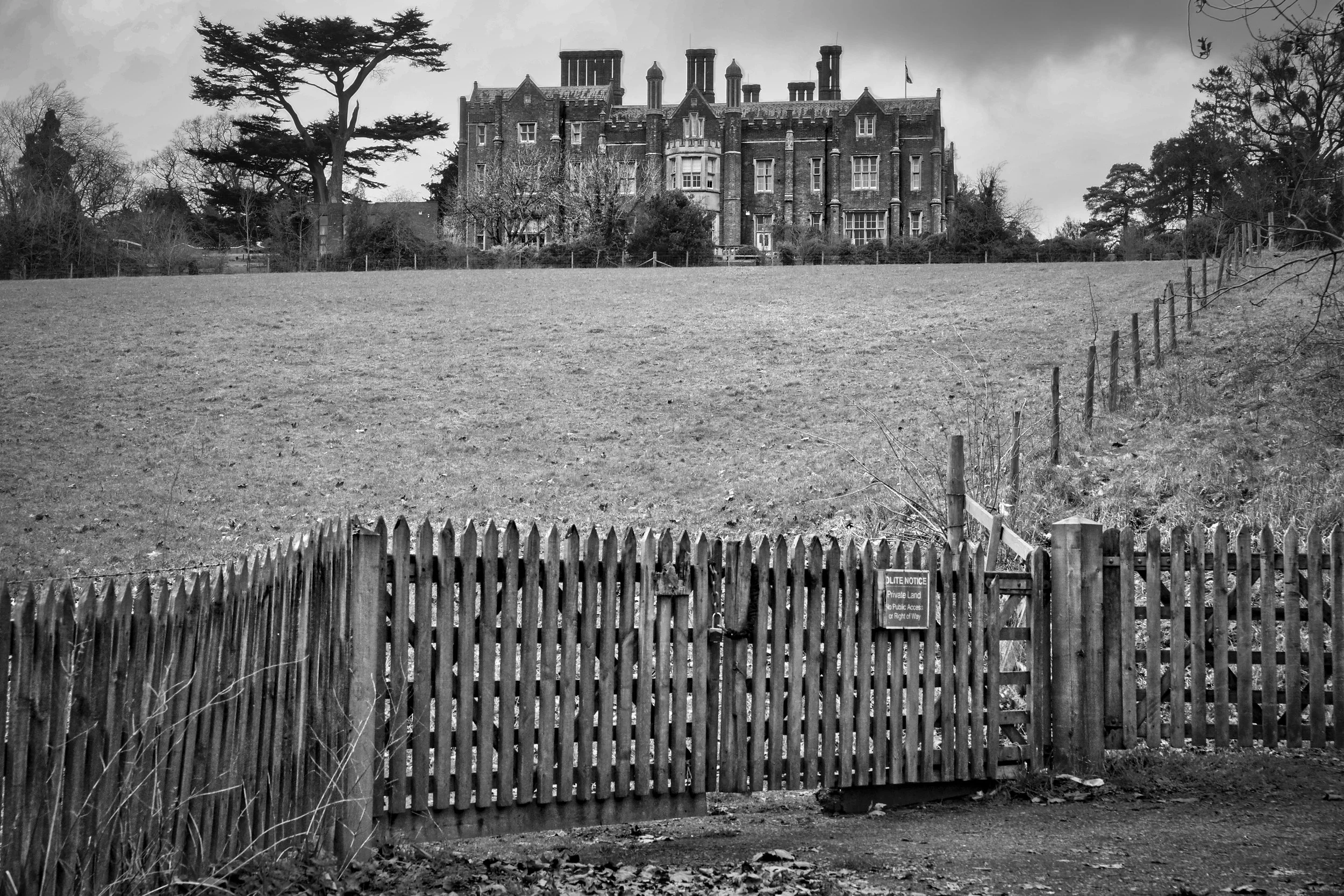
On the face of it, offering commissioned photography for historic houses, country estates and heritage properties might look like a new direction for Walking With Pics.
It isn’t. If anything, it feels like one of the more natural developments the site has taken.
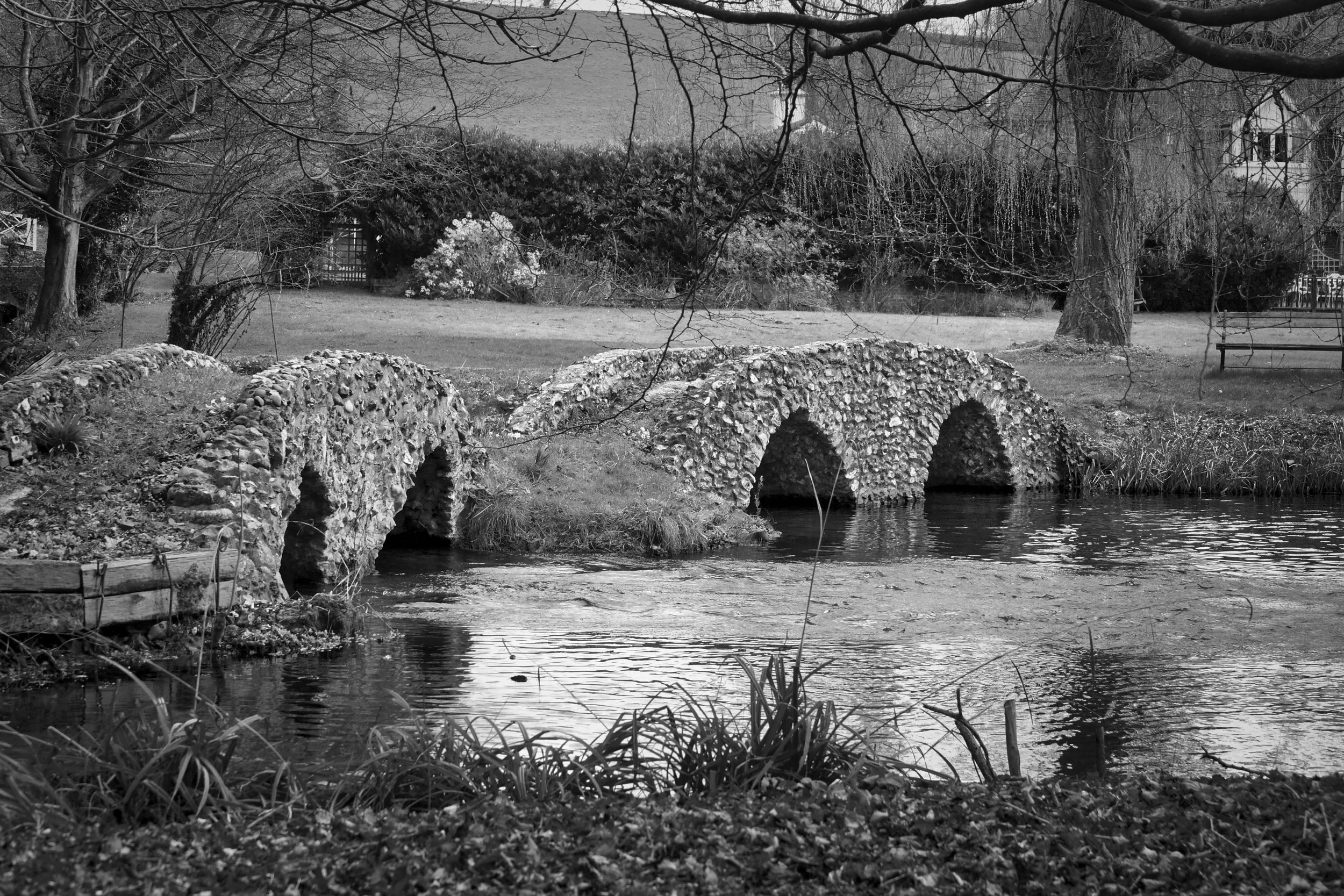
For years, my photography has moved between two main areas: landscape and the built environment. One has taught me to look at space, light, weather, distance and the relationship between a subject and its surroundings. The other has increasingly taught me to notice smaller things: worn stone, old signage, windows, entrances, paths, walls, architectural details and the traces of people who are no longer in the frame.
Historic properties sit somewhere between those two worlds.
A country house is not just a building. An estate is not just a house with a large garden. A heritage property is usually a combination of architecture, landscape, history, detail, adaptation and use. The more I thought about it, the more obvious it became that the way I already photograph naturally lends itself to these places.
That is really where the commission work has come from.
Why now?
Walking With Pics has become much clearer over the last year about what kind of photography it is.
At one point, I probably thought of landscape photography and urban photography as two separate things. Over time, I realised they are much closer than they first appear. The subject changes, but the way I look does not.
Whether I am standing on a hill in the Chilterns or walking through the back streets of a town, I am usually looking for structure, balance, atmosphere, texture and the details that make one place feel different from another.
That same way of working makes sense when photographing a historic house or estate.
The obvious photograph has its place. The main elevation, entrance or sweeping view across the grounds will always be part of the story. But those images alone rarely say enough.
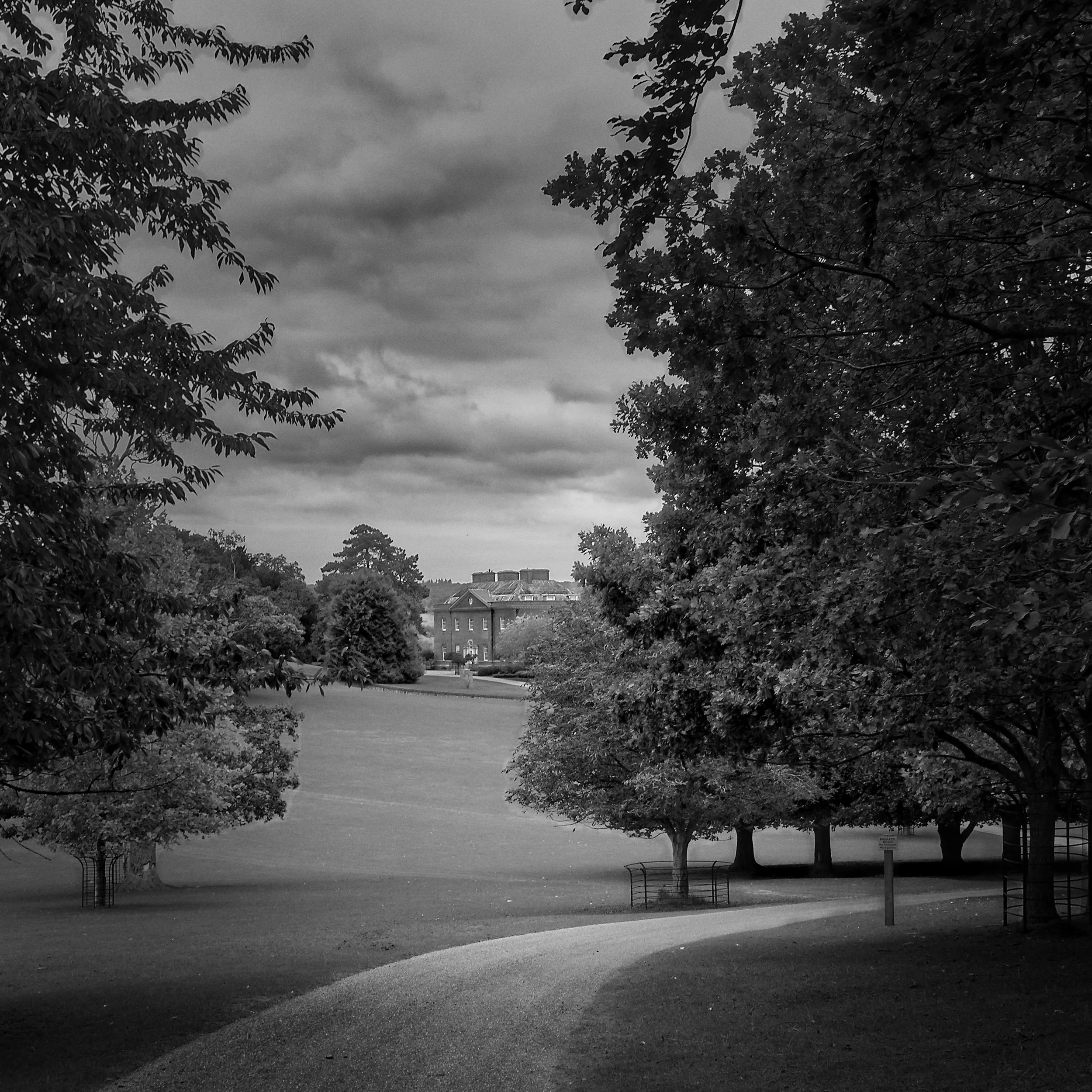
Sometimes the character of a property is found in the approach road, an old gate, worn steps, a line of trees, a service building, an unusual window, a section of brickwork or a corner most people would walk straight past.
Those details help explain the place rather than simply show it.
That is the part I am interested in.
Why black and white?
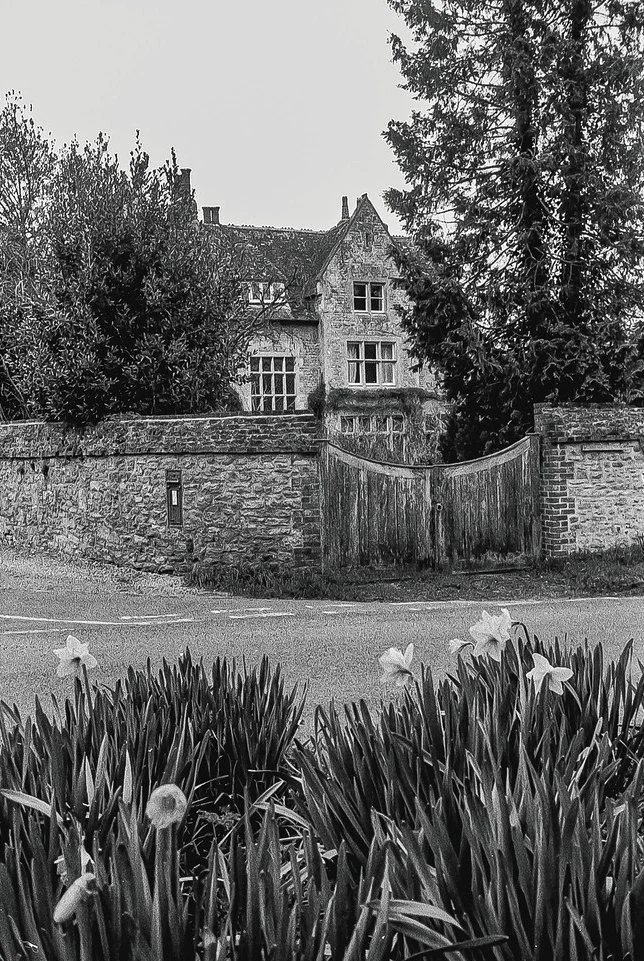
I photograph exclusively in black and white, and that remains the same with commissioned work.
That is not because I think colour photography is wrong for historic properties. Colour has an obvious and important role in architecture, interiors, hospitality and property marketing.
It simply is not the way I work.
Black and white changes the emphasis. It removes some of the immediate distraction of colour and directs attention towards shape, light, texture, structure, contrast and atmosphere.
With an old building, those qualities are often central to its identity.
Stonework, timber, plaster, ironwork, glass, brick, weathering and architectural detail all respond particularly well to monochrome. So do the relationships between the building and its surroundings: dark trees against pale walls, winter light across a façade, shadows under arches, a gravel drive disappearing towards a house.
Black and white can give a property a sense of permanence and continuity. It can also make a photograph feel less like a sales image and more like a record of a place.
That difference is important to me.
Not estate-agent photography
There is already a great deal of very good conventional property photography being produced.
Architectural photographers, interior photographers and estate-agent specialists all have a clear job to do. They need to show spaces accurately, clearly and attractively. Rooms need to feel bright, dimensions need to make sense and a potential buyer, guest or client needs to understand what they are looking at.
My approach is different because the purpose is different.
I am not trying to make a room look larger. I am not trying to create a complete visual inventory of every space. And I am not trying to make every photograph look polished in exactly the same way.
What I want to produce is a coherent body of images that gives a sense of character.
That might mean a broad view of the main house followed by a close photograph of a door handle, worn stone step or old window frame. It might mean photographing the grounds in poor weather because the conditions suit the atmosphere of the estate. It might mean including outbuildings, gates, tracks or less obvious structures because they are part of the identity of the place.
The aim is not simply to show what the property looks like.
It is to show what it feels like.
Where landscape photography comes into it
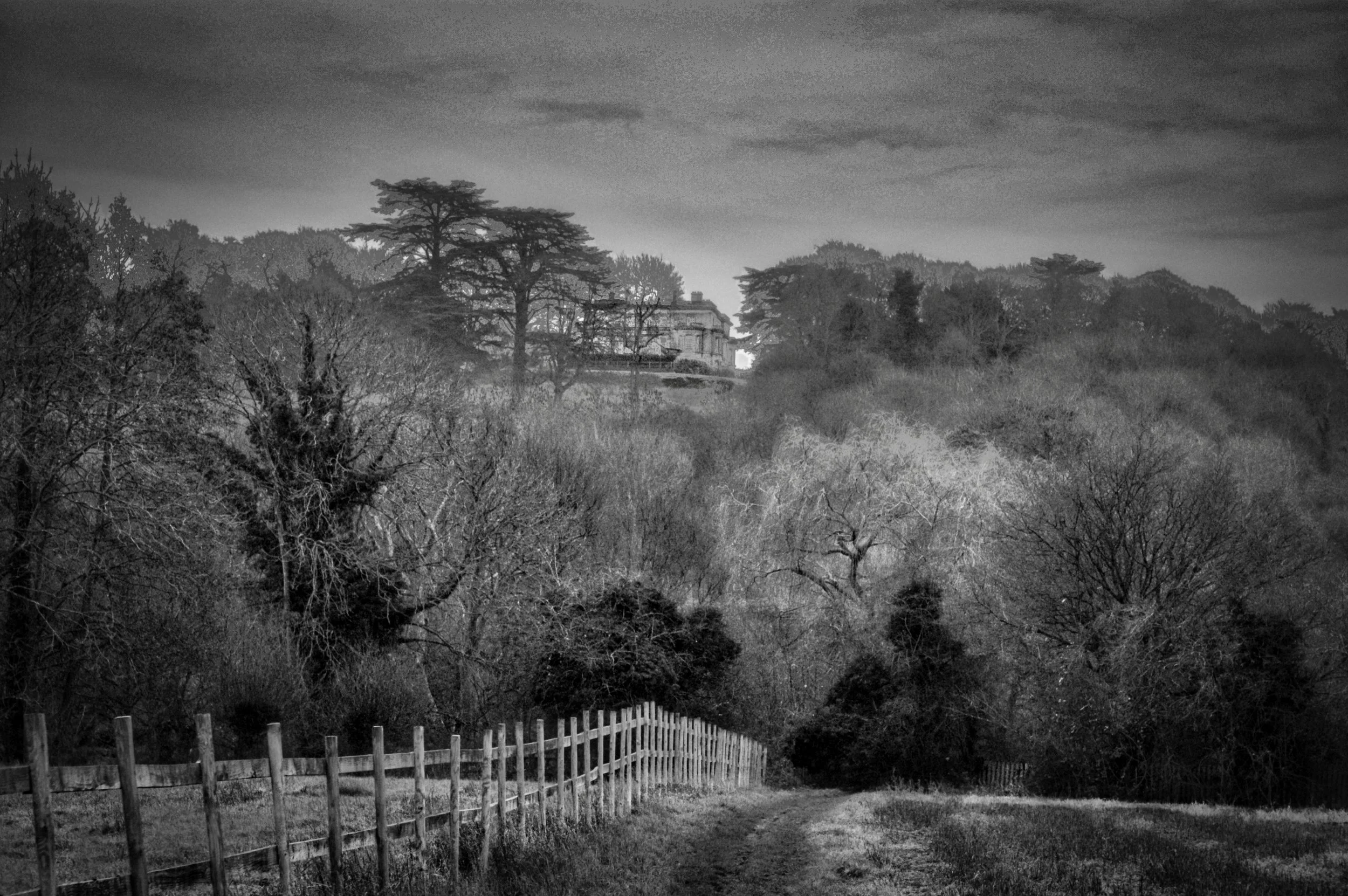
Landscape photography has taught me not to separate a building from the land around it.
Historic houses rarely exist in isolation. Their setting is part of their identity.
The approach to the house, the relationship with surrounding fields, old trees, avenues, gardens, water, parkland and distant views all affect how the property is experienced.
For a country estate in particular, photographing only the main building would miss a large part of what makes the place distinctive.
The wider landscape can explain scale, history and purpose. A house at the end of a long drive feels different from one pressed against a village street. A manor surrounded by formal gardens has a different character from an estate bordered by working farmland or woodland.
My landscape background means I naturally look beyond the front door.
Where Urban Observation comes into it
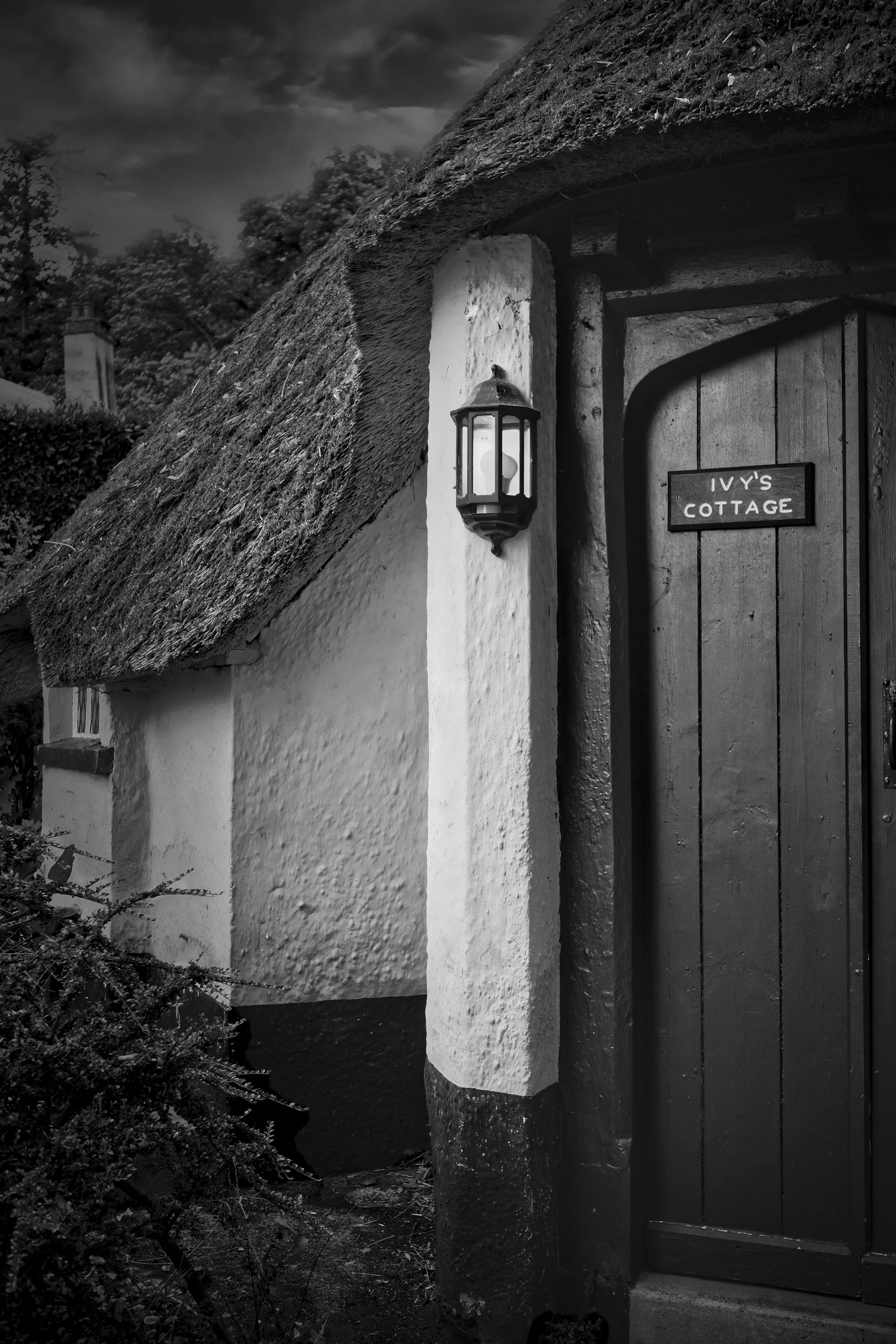
The other influence is what I have come to call Urban Observation Photography.
That work is built around noticing the everyday evidence of human presence in the built environment.
A wall, a sign, a bench, a closed door, a worn surface, an empty path. Individually, they can seem insignificant. Together, they say something about how a place has been used and how it has changed.
Historic properties are full of the same kind of detail.
They contain layers of use. Buildings are altered. Materials age. Paint fades. Stone wears. Extensions appear. Old entrances stop being used. New ones are created. Working areas sit alongside formal ones.
Those details are often where a property becomes specific rather than generic.
They are also easy to overlook if the only goal is to make a building look impressive.
I would rather photograph the impressive view and then keep looking.
What a commissioned set should do
A useful commission should give the client more than a handful of hero images.
The aim is to create a varied, coherent set covering the property from different angles and at different scales.
That might include the house, grounds, approach roads, gates, outbuildings, architectural details, surrounding landscape, textures and smaller visual elements that help explain the property.
Those photographs can then be used in different ways. Some may work well on a website. Others may suit brochures, press, editorial features, heritage interpretation, newsletters, social media or wider marketing material.
The strength is in having a collection that feels connected.
Rather than twenty unrelated photographs, the client receives a body of work that belongs to the same place.
Why storytelling is part of it
Historic properties already have stories.
Some are grand and well documented. Others are more layered and less obvious.
The story might be in the architecture, the family history, the estate landscape, the working buildings, the way the property has changed over time or simply the atmosphere of the place today.
Photography cannot tell every part of that story, but it can suggest it.
A photograph does not need to explain everything. Sometimes it only needs to make someone stop and look a little longer.
For me, that is where historic property photography becomes more than documentation.
It becomes a way of recording character.
Walking With Pics now offers black-and-white photography commissions for historic houses, country estates, manor houses, period hotels and heritage properties across Buckinghamshire, Berkshire and Oxfordshire.
You can find full details on the Historic Property, Estate & Heritage Photography page.
If you own or manage a historic property and want a set of photographs that goes beyond conventional property imagery, I would be happy to discuss what might work for your location.