Ask how to find your photographic style and you'll almost always be given the same advice: go out, experiment with different genres, study the greats, and eventually your unique style will emerge. It's not wrong, exactly. But it's incomplete, and it misses the bit that actually counts, which is that you're not hunting for something out there. The mistake is thinking your style is something you have to invent. In my experience, it's something you eventually recognise.
I've been doing this for years now, and it's only recently that my own style became obvious to me. Not because I went looking for it in the way all these guides tell you to. Because I finally looked at my work as one complete body instead of several separate ones.
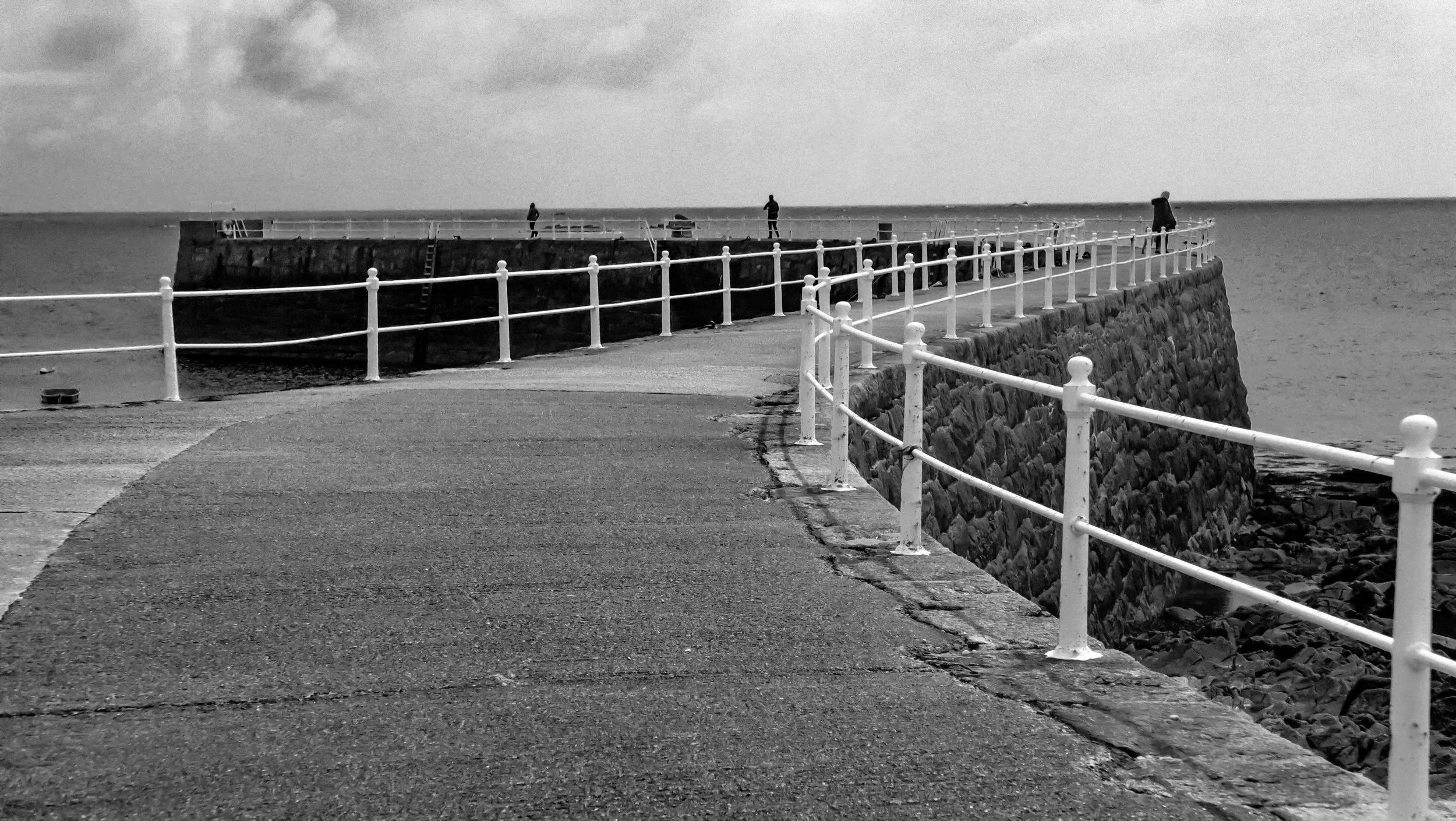
The Mistake I Was Making
For a long time I thought about my landscape photography and my urban photography as two different pursuits. Two different genres, two different mindsets, two different bodies of work sitting in two different mental folders. I'd go out and shoot the Chiltern Hills — fields, barns, treelines — and separately I'd go out and shoot villages, towns, streets, doorways, the built environment. In my head these were different projects requiring different approaches.
The problem with that thinking is that it meant I was only ever looking for patterns within each genre separately. I'd look at my landscape work and ask what my landscape style was. I'd look at my urban work and ask what my urban style was. And because I was asking the wrong question, I never got a proper answer to either.
It was only when I stopped treating them as separate bodies of work and looked at everything together — every image I'd taken over the years, landscape and urban side by side — that the pattern actually jumped out at me. Not subtly. Not something I had to squint at or convince myself was there. Obvious, like a sore thumb.
What I Actually Found
Here's the thing that surprised me: it wasn't the subject matter that connected everything. It was never going to be, because I don't go out looking for subjects in the first place. I don't plan a shot of a barn any more than I plan a shot of a house on a street corner. Both of those things happen the same way — I'm out walking, usually with Elvis dragging me toward whatever smell has caught his attention, and something catches my eye. A barn does that. So does a doorway. So does the light hitting a wall in a village high street at 6am. None of it is hunted. All of it is noticed.
What connects my landscape work and my urban work isn't what I'm pointing the camera at. It's how I'm seeing whatever's in front of me, and that turned out to be completely consistent across both genres without me ever consciously deciding it should be.
The way I frame a barn in a field is the same way I frame a house in a town. The way I frame a barn in a field is the same way I frame a house in a town. The relationship between subject and space never really changes. Whether I'm photographing a wide landscape or a village street, the composition follows the same instinct. Close in, I'm still looking for the same thing — texture, detail and the ordinary features most people walk straight past without noticing.
My editing is the same story. I don't sit down and think "this is a landscape shot, so I'll edit it this way" and then switch to a different approach for an urban shot. Same tonal approach, same restraint, same black and white JPEG discipline regardless of whether I'm stood in a field or on a pavement. I never once decided that landscape and urban needed different treatment. It just never occurred to me to treat them differently, because in my head they were never actually different — I only thought they were because I'd artificially split them into two folders.
Why This Matters More Than Subject Matter
A lot of the standard advice on finding your style focuses heavily on subject matter — pick a genre, specialise, become known for weddings or landscapes or street photography, and your style will follow from that specialisation. I think that's back to front, at least for how it worked for me.
Genre is just a label for what's in the frame. It tells you nothing about how the photographer actually sees. Two photographers can both shoot landscapes and produce completely different work, because the way they see light, composition, and tone is entirely their own. And one photographer — me, as it turns out — can shoot two supposedly separate genres and produce work that's stylistically identical, because the seeing never changed even when the subject did.
I've questioned photography's obsession with labels before — particularly what we actually mean when we call something “fine art”.
That's the bit I think gets missed in most of the "find your style" content out there. It treats style as something built on top of genre, when for me at least, style sits underneath genre entirely. It doesn't care what you're pointing the camera at. It's the constant, and the subject is just whatever happens to be in front of it on a given walk.
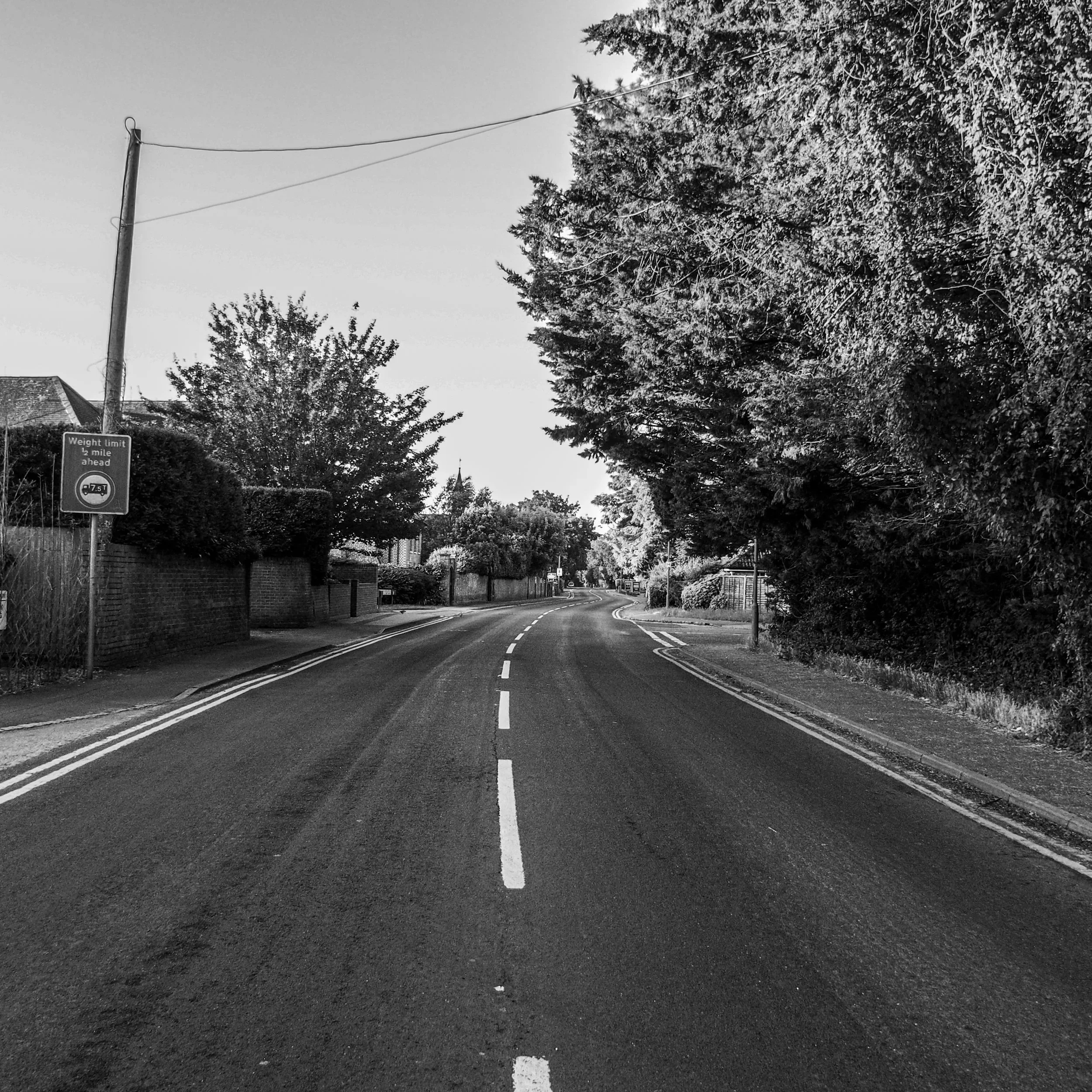
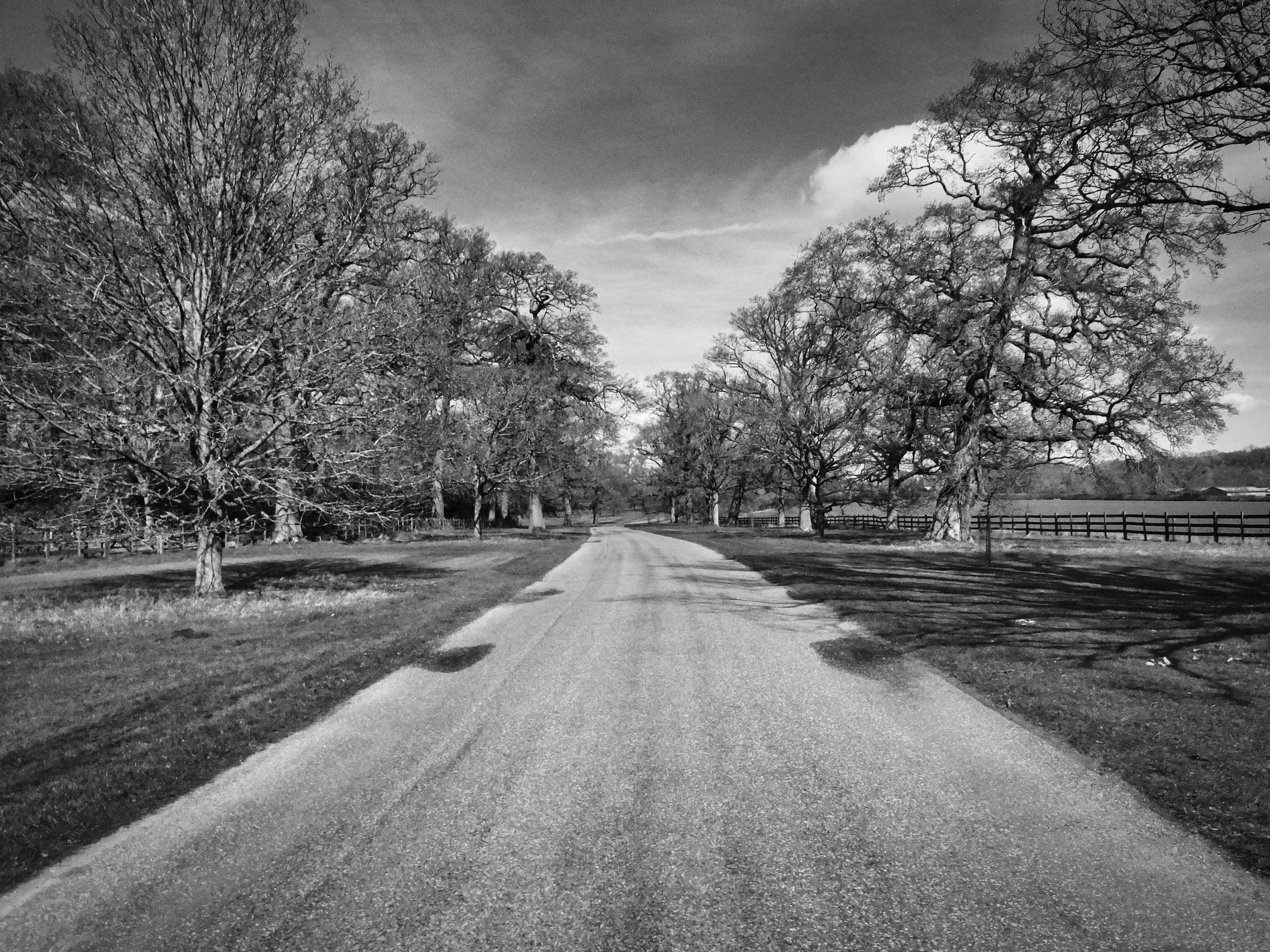
How You Actually Spot It
I don't think there's a shortcut to this. You can't sit down on day one and decide what your style is going to be, because you don't have enough work yet to see the pattern. It only reveals itself with time and with volume — you need years of images behind you, shot across different subjects, different genres, different moods, before the consistent thread becomes visible against all that variety.
And even then, you have to actually look. Properly look, not just glance through a folder scrolling for the good ones. Pull everything together — every genre you shoot, everything you've ever considered "yours" — and look at it as one single, continuous body of work rather than a set of separate projects. That's the step most people skip, because it's natural to file your work by subject. Landscape here, urban there, travel somewhere else. But your style doesn't live in those folders. It lives across all of them, and you'll never see it if you keep them separate in your head.
When I finally did that — looked at everything together rather than genre by genre — the consistency wasn't subtle. It was the most obvious thing about my work. I just hadn't been looking in the right place to see it.
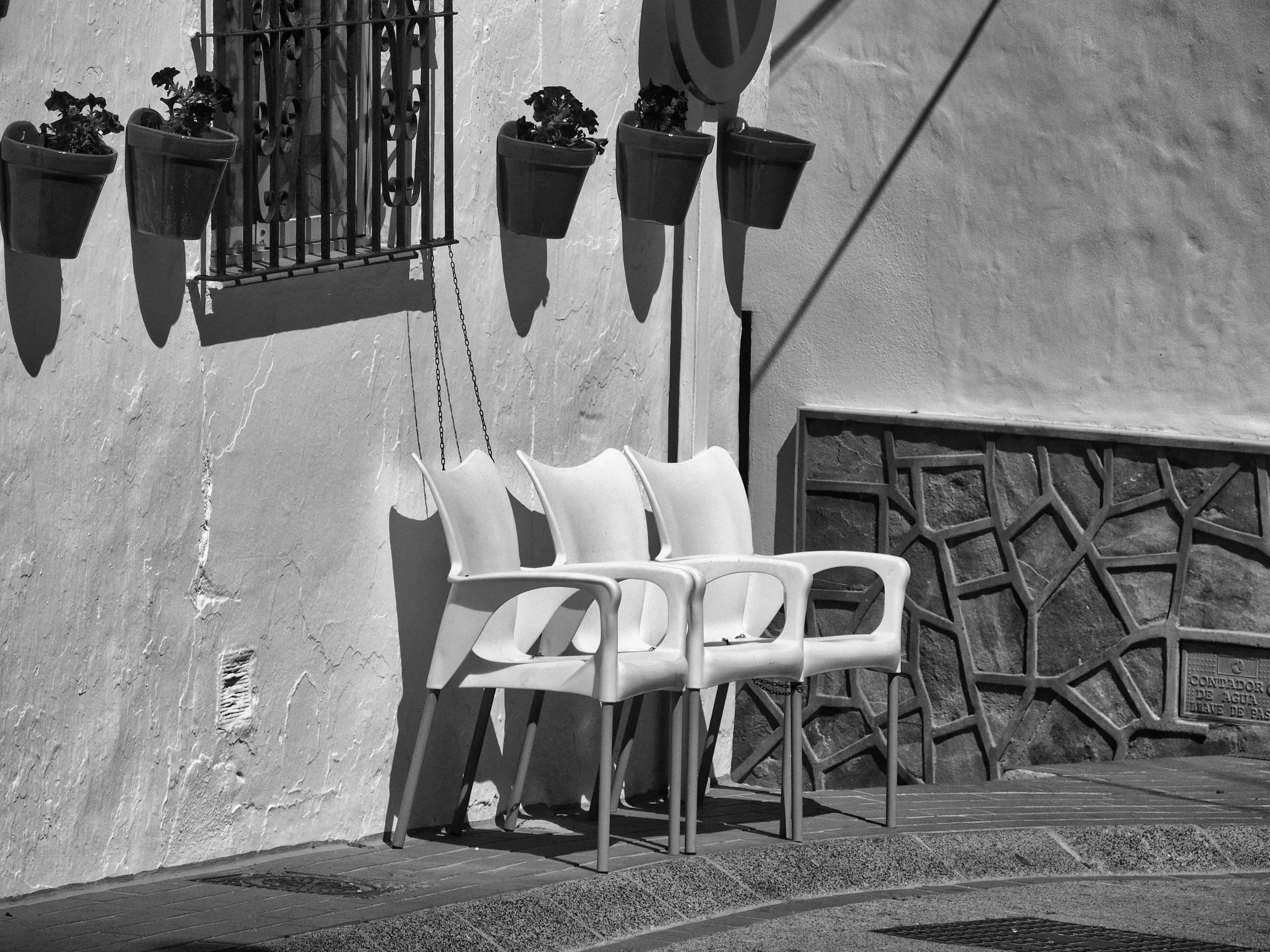
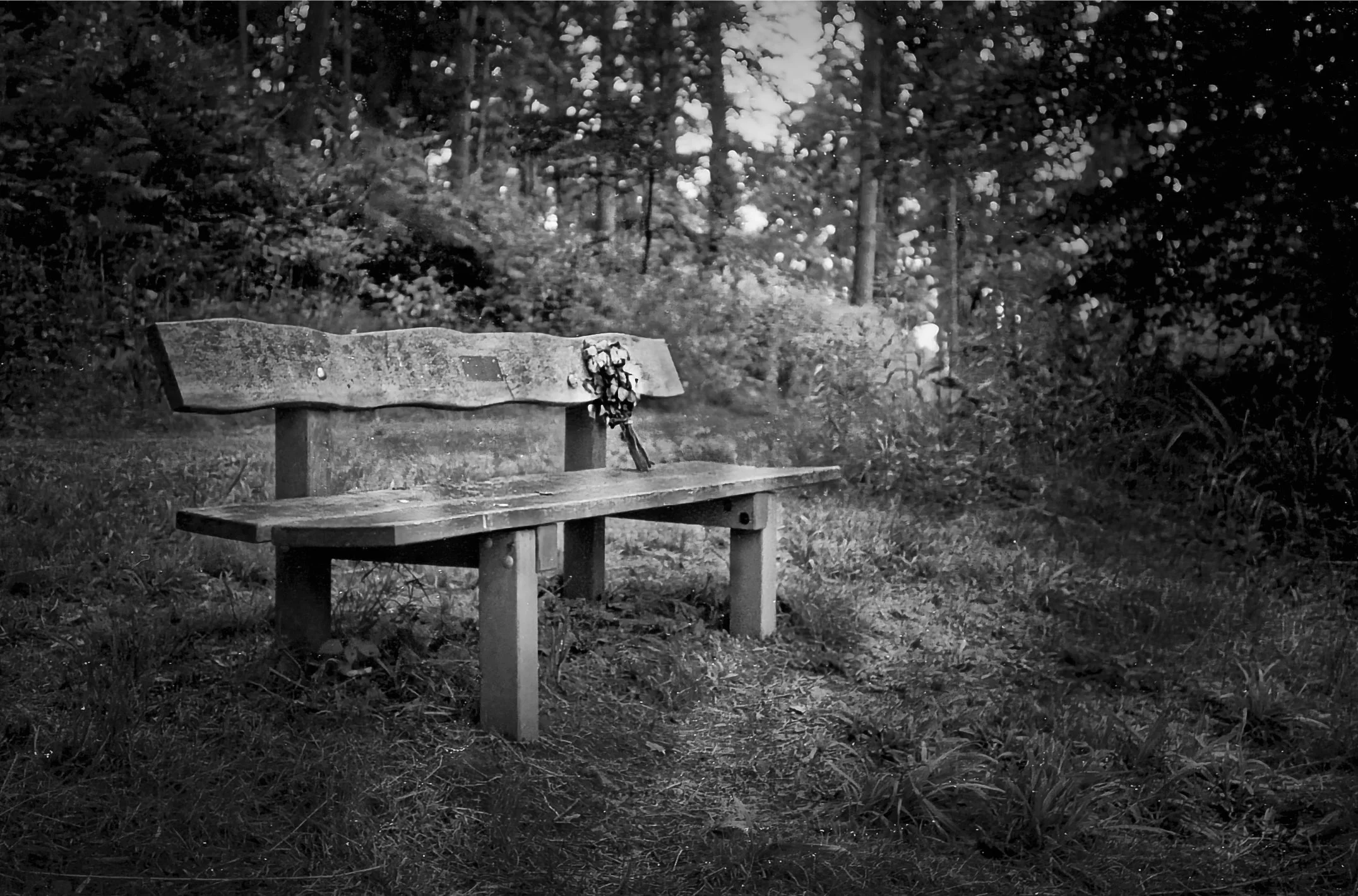
It Took Years, and That's Fine
I've gone through plenty of changes over the years to get here. Different cameras, different approaches, periods of shooting RAW before actively choosing to shoot JPEG only, phases of chasing different looks because someone online said that was the way to do it. None of that was wasted time, even the bits that didn't stick, because all of it fed into what eventually became consistent. You don't land on a style by skipping the experimentation. You land on it by doing enough of it, for long enough, that a pattern has the chance to actually form.
If you're a few years into this and still don't feel like you've got a style, that's not a failure. It might just mean you haven't done the one thing that actually reveals it — stepping back and looking at everything you've made as a single body of work, rather than a pile of separate projects filed under different genre headings. The style's probably already there. You might just be looking at it in pieces instead of as a whole.
The Bit Nobody Tells You
Here's what I think most of the advice out there gets wrong: it frames style as something you build, choose, or develop through deliberate decisions about colour palettes and editing presets and compositional rules. Some of that plays a part, sure. But the actual discovery — the moment it becomes obvious — isn't a building exercise. It's a noticing exercise. You're not constructing your style from scratch. You're recognising something that's already been consistent in your work for longer than you realised, because you were too busy sorting it into categories to see it as one thing.
For me, that thing turned out to be how I see rather than what I see. The barn and the house on the street corner get treated exactly the same, because to me they were never really different subjects — just different backdrops for the same way of looking at the world. Once I saw that, the genre split I'd been maintaining in my head for years stopped meaning very much at all.
I still shoot both. I probably always will. But I don't think of them as two things anymore. They're the same thing, wearing different scenery.
“Your style isn’t hiding in a genre. It’s hiding in the way you look at the world.”