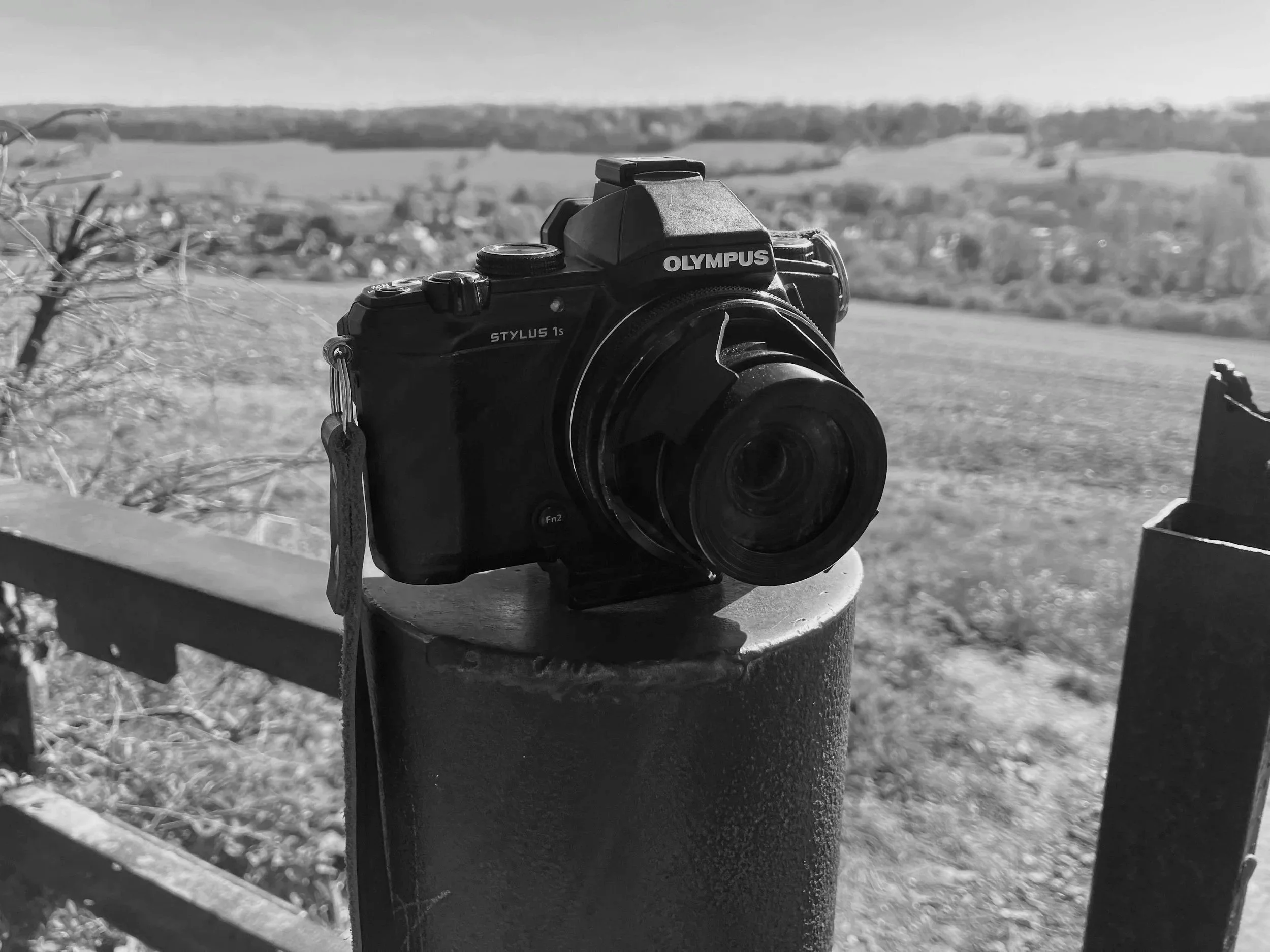
I've owned a lot of compact cameras over the years. Not just read about them, not just watched YouTube reviews of them — owned them, used them, and in most cases moved on from them for one reason or another. The list includes the Canon S90, S95, S120, S200, Canon G10, Leica X2, Fujifilm X10, X20, X30, Panasonic LX100, LX100 II, Fujifilm F900EXR, Sony RX100 III, Panasonic TZ100, Olympus XZ-2, and the Olympus Stylus 1S — which is the one I'm currently carrying. That's not a list built from spec sheets. That's a list built from actually using these cameras in the field.
So when people ask whether sensor size matters in a compact camera, I have a few things to say about it.
What is a compact camera anyway?
It sounds like a stupid question but it's worth defining, because the term covers an enormous range of cameras. At one end you've got a basic 1/2.3-inch sensor point-and-shoot that fits in a shirt pocket and costs £100. At the other end you've got something like the Fujifilm X100VI with an APS-C sensor and a fixed prime lens, which is very much a serious photographic tool that just happens to not take interchangeable lenses.
The broad definition is simple — a fixed lens camera that doesn't require you to swap glass. Beyond that, the differences are significant. Sensor size, zoom range, aperture, manual controls, build quality — these vary enormously across the category.
For the purposes of this blog I'm talking about enthusiast compacts — cameras bought by people who actually care about photography, people who use them for the likes of street photography, travel photography or landscape photography like I do - or even just as a 2nd or back-up camera to their main system.
The sensor size argument
The standard line is that bigger is always better. Larger sensors capture more light, produce less noise, offer better dynamic range, and give you more control over depth of field. All of this is true — in absolute technical terms, a larger sensor outperforms a smaller one.
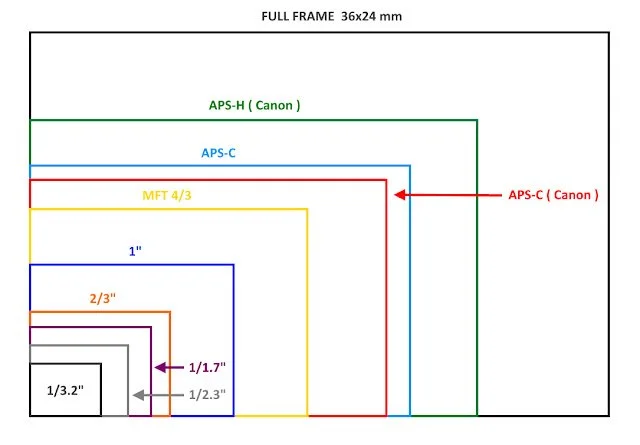
But photography isn't a technical exercise - well it is, but its also a creative one. And the question isn't whether a larger sensor is technically better — it's whether that difference actually matters for what you're trying to do.
My honest answer after years of owning cameras across the sensor size spectrum: it depends entirely on how you work and what you do with the images.
The composition argument
One thing I've learned from shooting with smaller sensored compacts is that you have to compose properly in the first place. If you're relying on cropping heavily in post to fix a sloppy composition, a small sensor will punish you for it. Crop too aggressively into a 1/2.3-inch sensor file and the quality drops quickly.
But here's the thing — if you nail the composition in camera, a smaller sensor compact can produce results that will surprise you. Get the image right at the point of capture and you're not fighting the sensor's limitations. It's a discipline that's made me a better photographer, not a worse one.
Can you actually print from a compact camera sensor?
This is where a lot of people talk nonsense. The assumption is that small sensor equals small print capability. It's not that simple.
A 20MP compact camera shooting in decent light at base ISO can comfortably support a sharp 10x13 inch print at 300ppi. A 12-16MP compact will handle 8x12 without breaking a sweat. Even pushing to 13x19 inches is achievable with a 1-inch sensor in good conditions — particularly on matte or canvas surfaces, which forgive slightly lower pixel density.
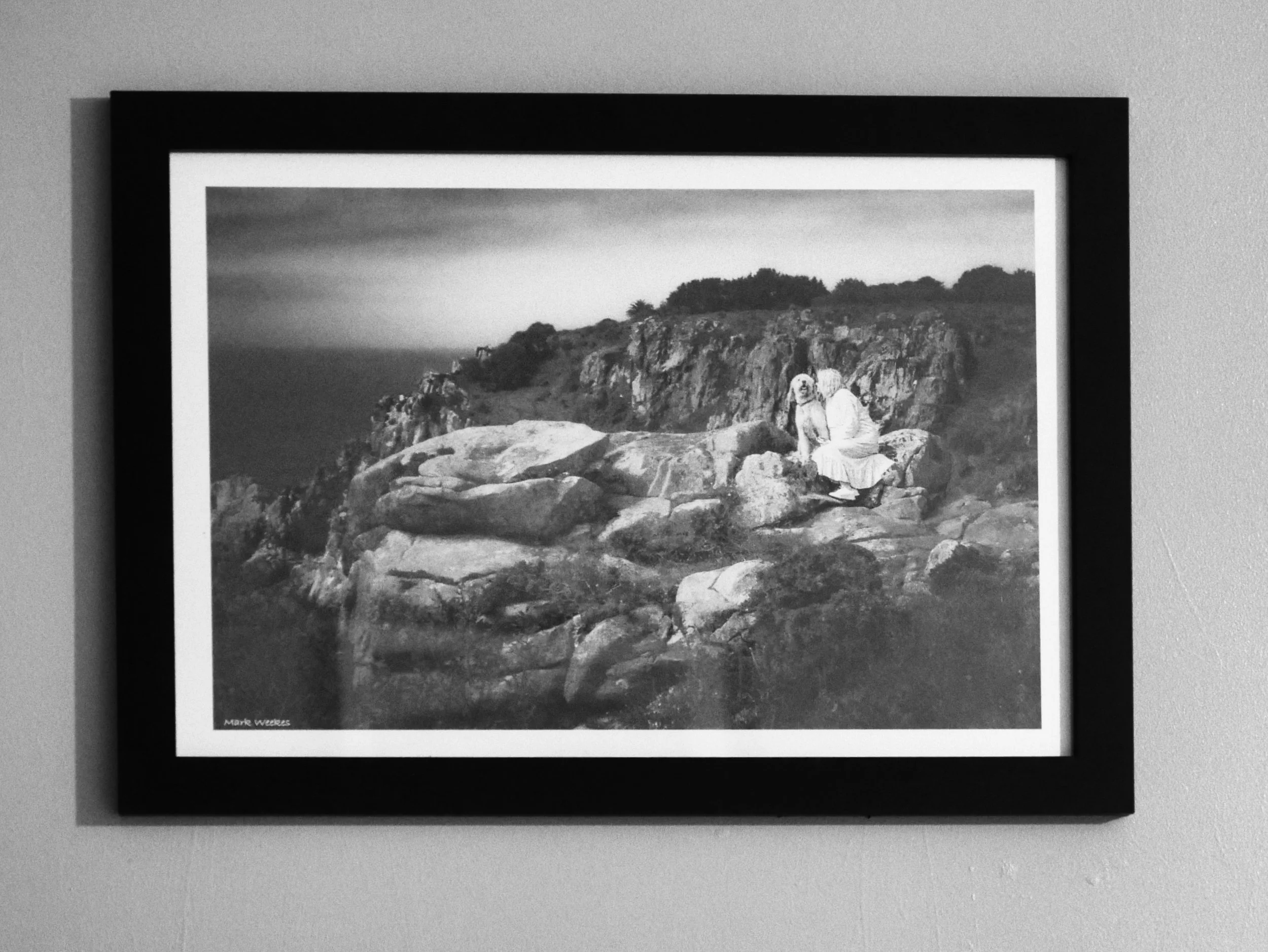
Print size is as much about viewing distance as pixel count. A 20x30 inch print hung on a wall and viewed from six feet looks completely different to the same image viewed at six inches on a monitor. The rules about resolution and print quality assume close-up viewing that rarely reflects real world conditions.
Most people these days are posting to social media, where the difference between a 1/2.3-inch and a 1-inch sensor is effectively invisible. But even if you want to print — and I'd always rather print than post — a well-exposed image from a quality compact can hold up better than most people expect.
What are compact cameras actually for?
After owning as many as I have, my answer is this: they're for photographers who want to keep walking.
The best camera for landscape and walking photography is the one you actually take with you. A compact fits in a hip pack or jacket pocket. It doesn't slow the walk down. It doesn't demand a tripod. It doesn't require you to stop, set up, and think about whether you packed the right lens.
For the kind of photography I do — walking first, camera second — a compact is often the right tool precisely because it gets out of the way. The Olympus Stylus 1S I carry now has a 28-300mm equivalent zoom in a body that weighs less than 500g. For walking the Chilterns or heading into a mountain range on holiday, that matters more than whether the sensor is a quarter inch bigger.
The cameras I've actually used
I won't turn this into a full review of fifteen cameras, but a few are worth mentioning briefly:
The Canon S-series (S90, S95, S120, S200) were pocketable, capable cameras with 1/1.7-inch sensors and fast lenses. The S90 in particular was a significant camera in its day — and is even more so now due to it having a CCD sensor. This range of cameras is probably the smallest size wise on the list, but didn’t stop every one of them being nice to use.
The Canon G10 was a different beast — heavier, chunkier, more DSLR-like in handling. The sensor was the same size but the files had a different character. I liked it but it was too big for what it was.
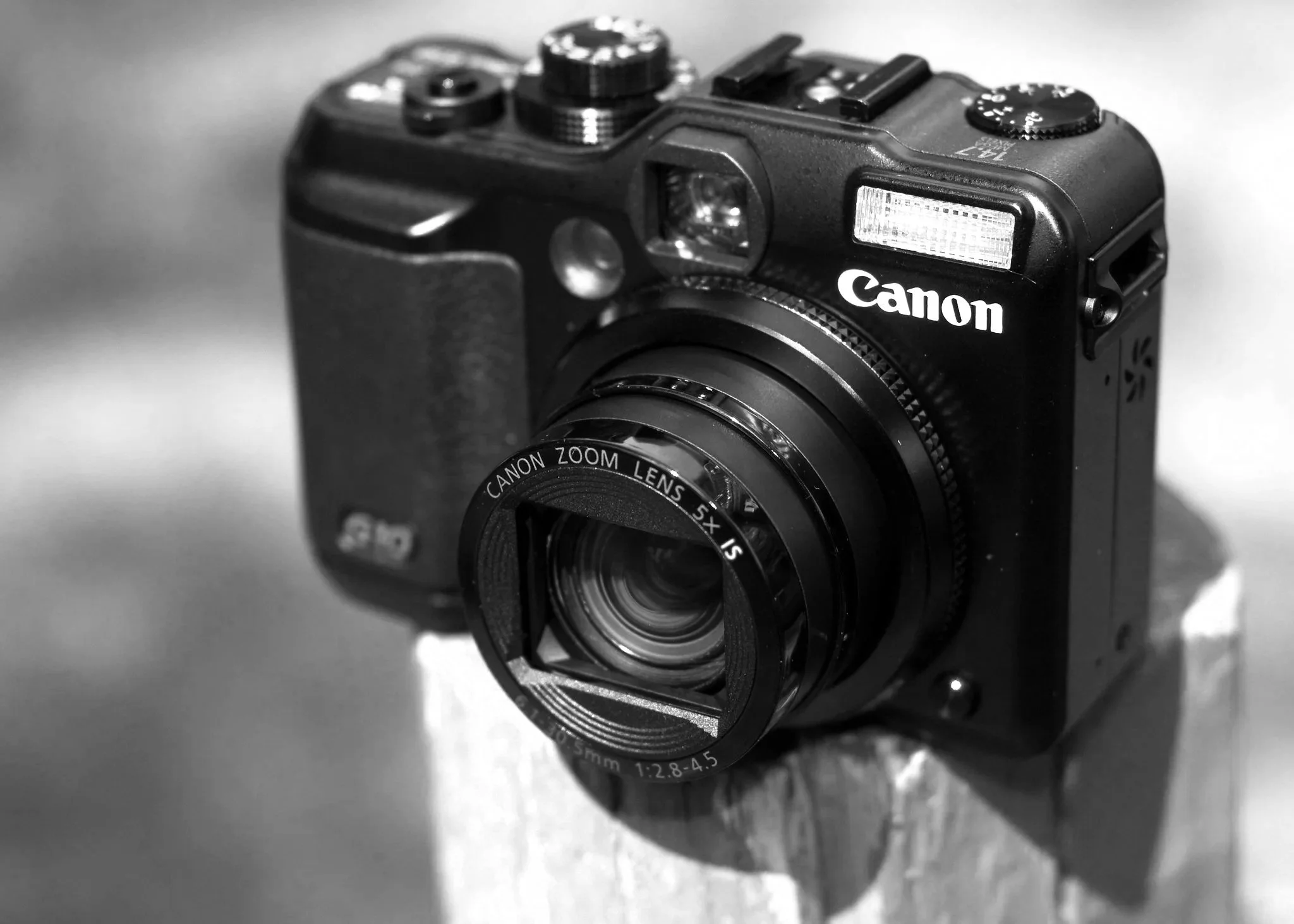
The Leica X2 had an APS-C sensor in a compact body with a fixed 35mm equivalent lens. Stunning image quality, people moan about the slow autofocus, but it genuinely didn’t bother me - not all the time anyway, and I loved the fact it had NO video, just a pure photography camera. The main reason for me selling this one was just the fact it was a fixed 24mm lens, I gave it a good try, but I needed more reach for what I do.
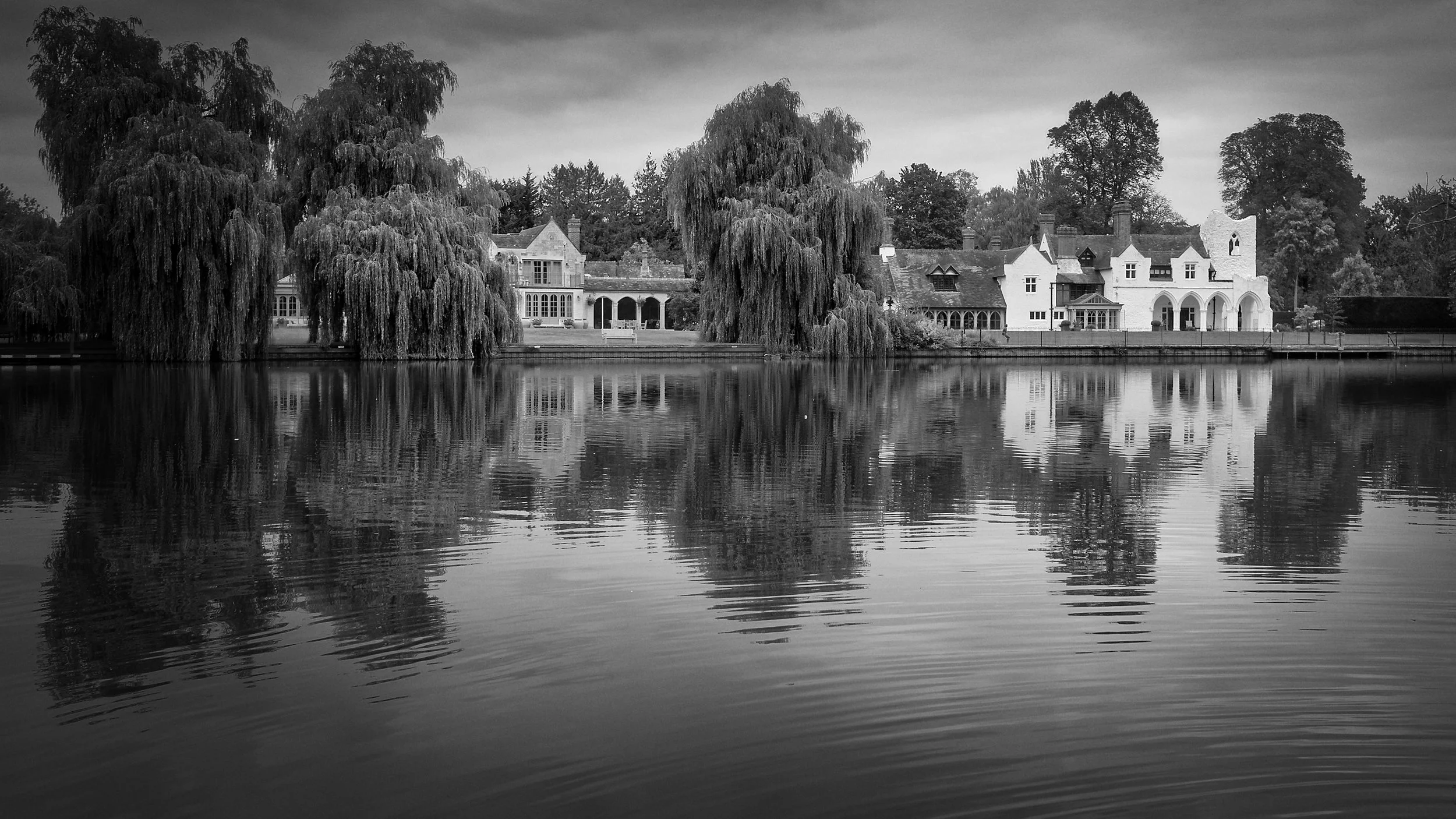
The Fujifilm X-series compacts (X10, X20, X30) were excellent all-round cameras with a 2/3-inch sensor and proper manual dials. Out of the three, the X20 was my favourite, I just didn’t gel with the X30, with the EVF position being the main reason after coming from the X20.
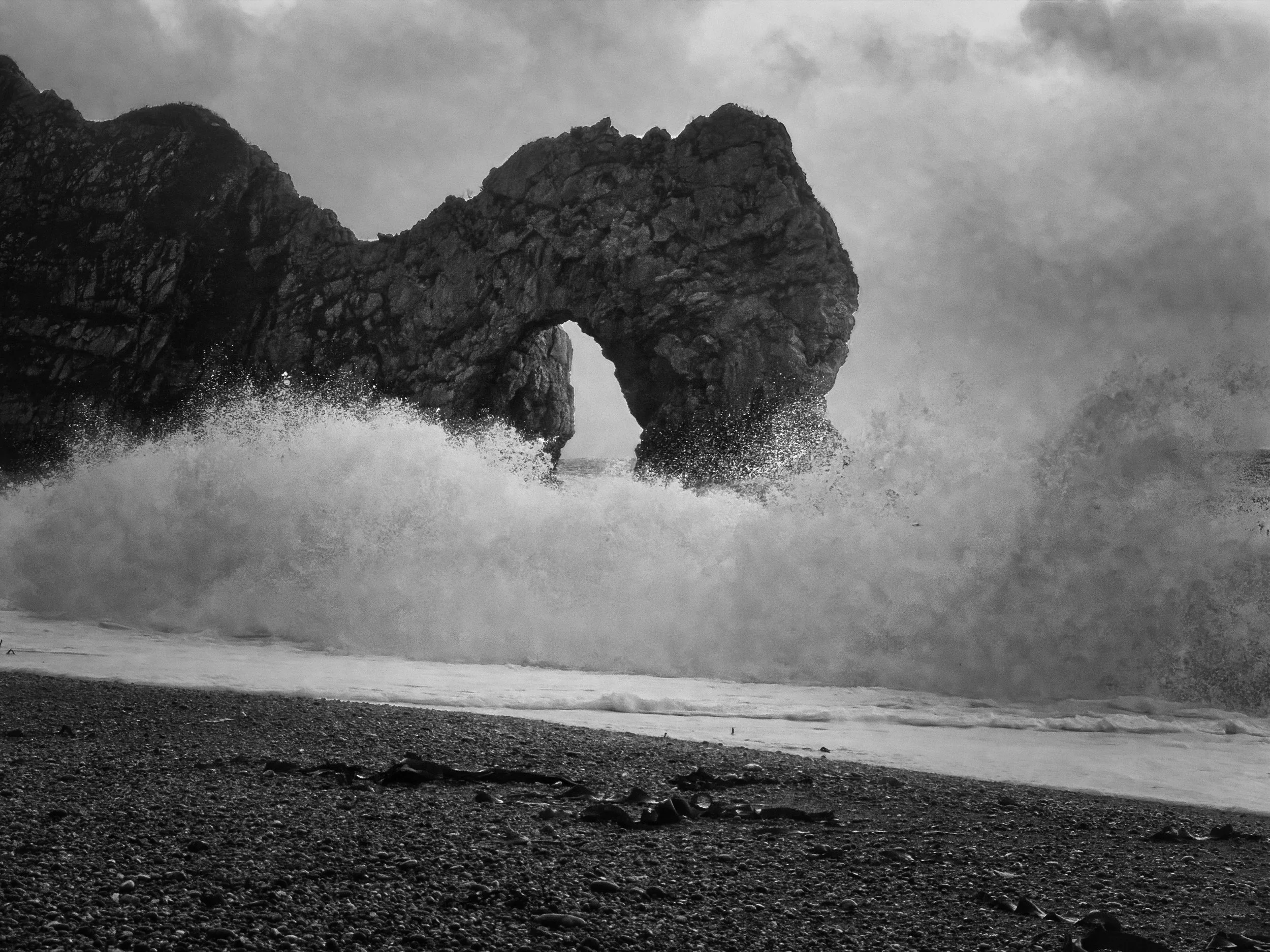
The Panasonic LX100 and LX100 II used a Micro Four Thirds sensor in a compact body — the largest sensor in anything I'd genuinely call a compact. Outstanding image quality, fast lens, proper manual controls. If image quality from a compact is your absolute priority, the LX100 series is hard to beat.
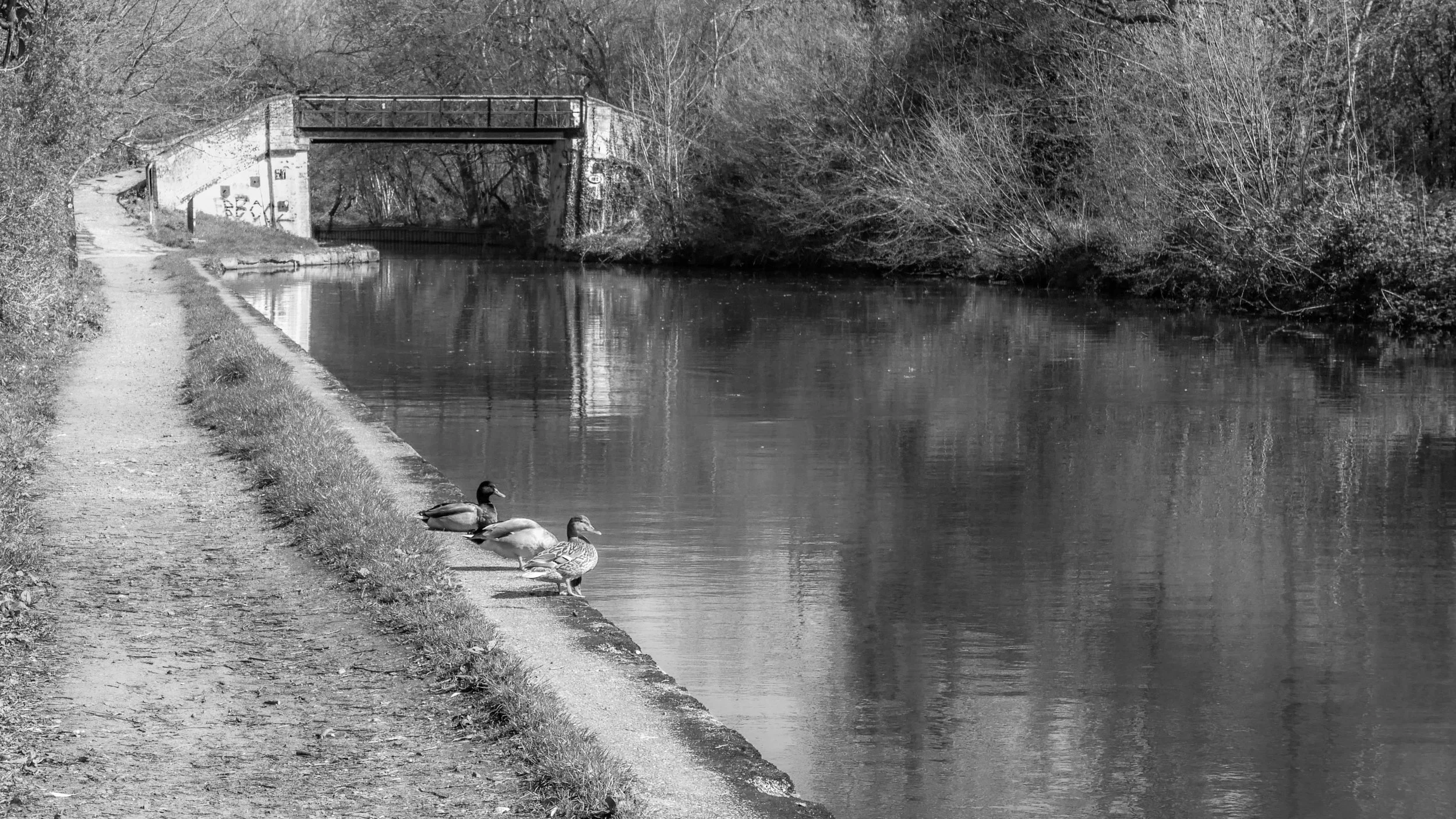
The Sony RX100 III was technically excellent but left me cold. The image quality whilst good was a little oversharp and very ‘digital’ looking. The controls were fiddly but the little pop - up EVF was nice. It's highly regarded and I can see why, but it never suited the way I work.
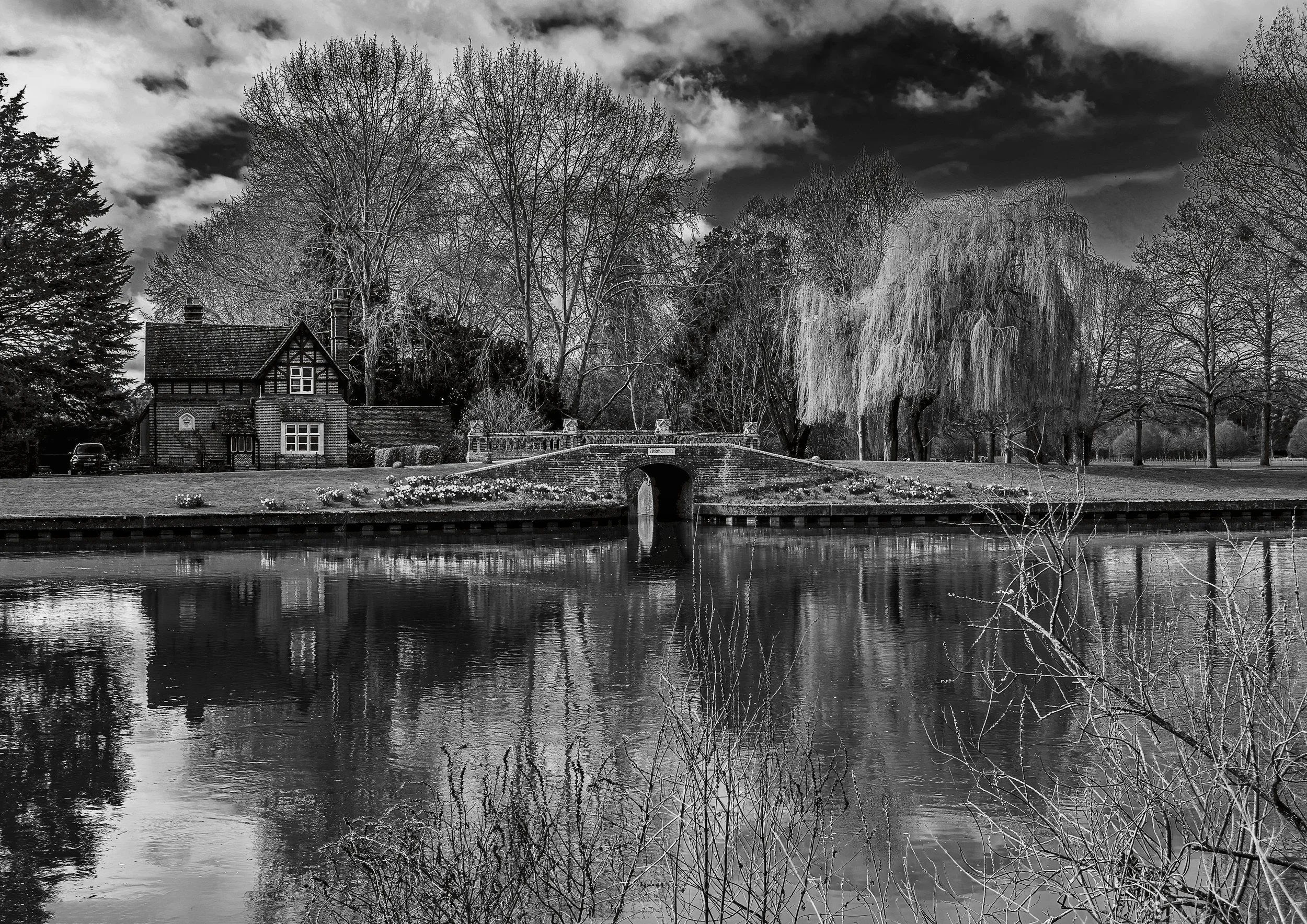
The Panasonic TZ100 was a travel zoom — 10x zoom, 25-250mm, 1-inch sensor in a pocketable body. Fantastic feeling control dials, Image quality was so-so rather than outstanding. Unfortunately I remember this camera more for its handling than its images.
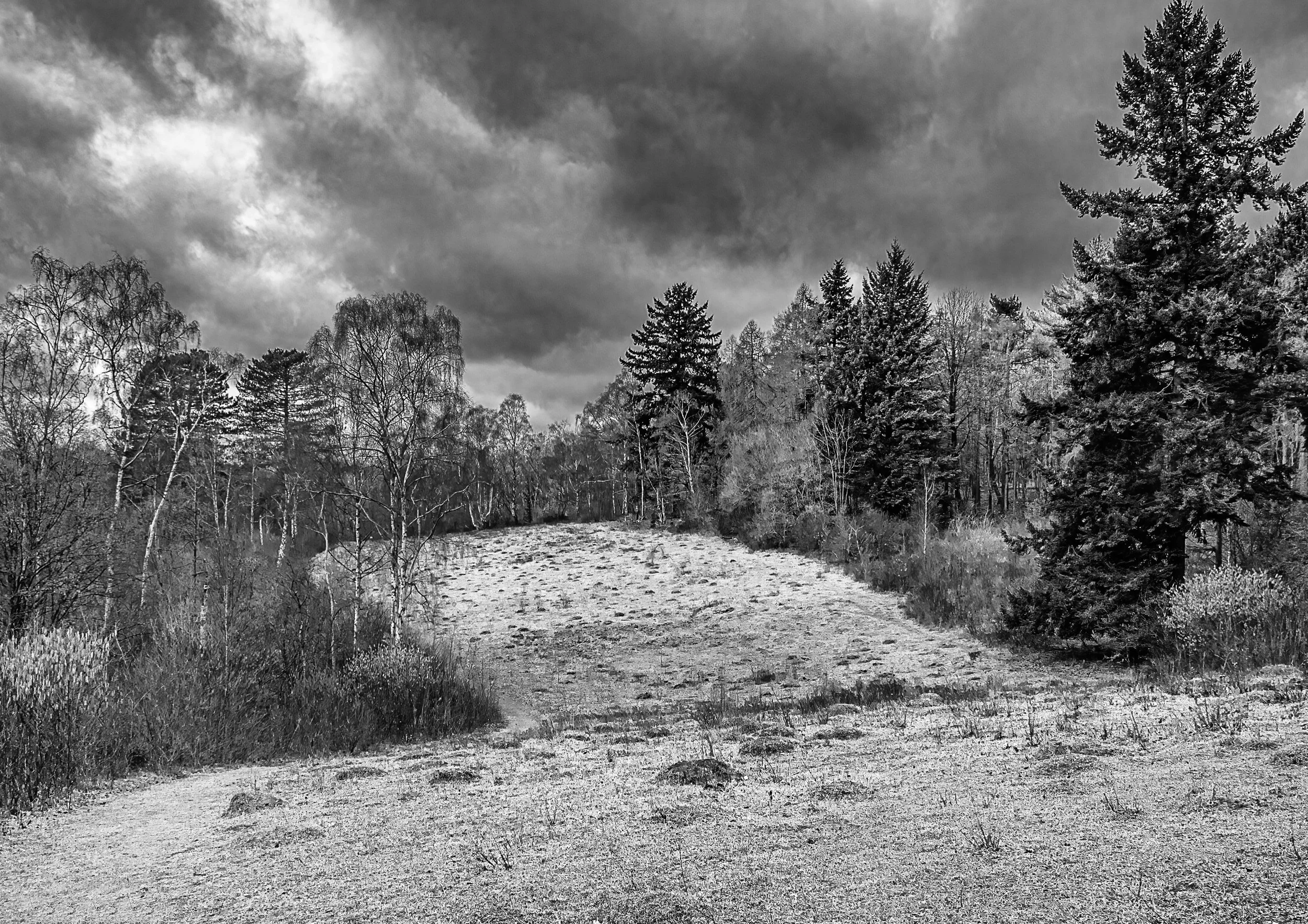
The Olympus XZ-2 was a 1/1.7-inch sensor compact with a very fast f/1.8 -f/2.5 lens — good in low light, decent files, I really liked this camera, just the lack of a built in EVF. I used to use the VF-4 hot shoe mounted EVF, whist its one of the best viewfinders out there, its quite big and didn’t do much for camera aesthetics.
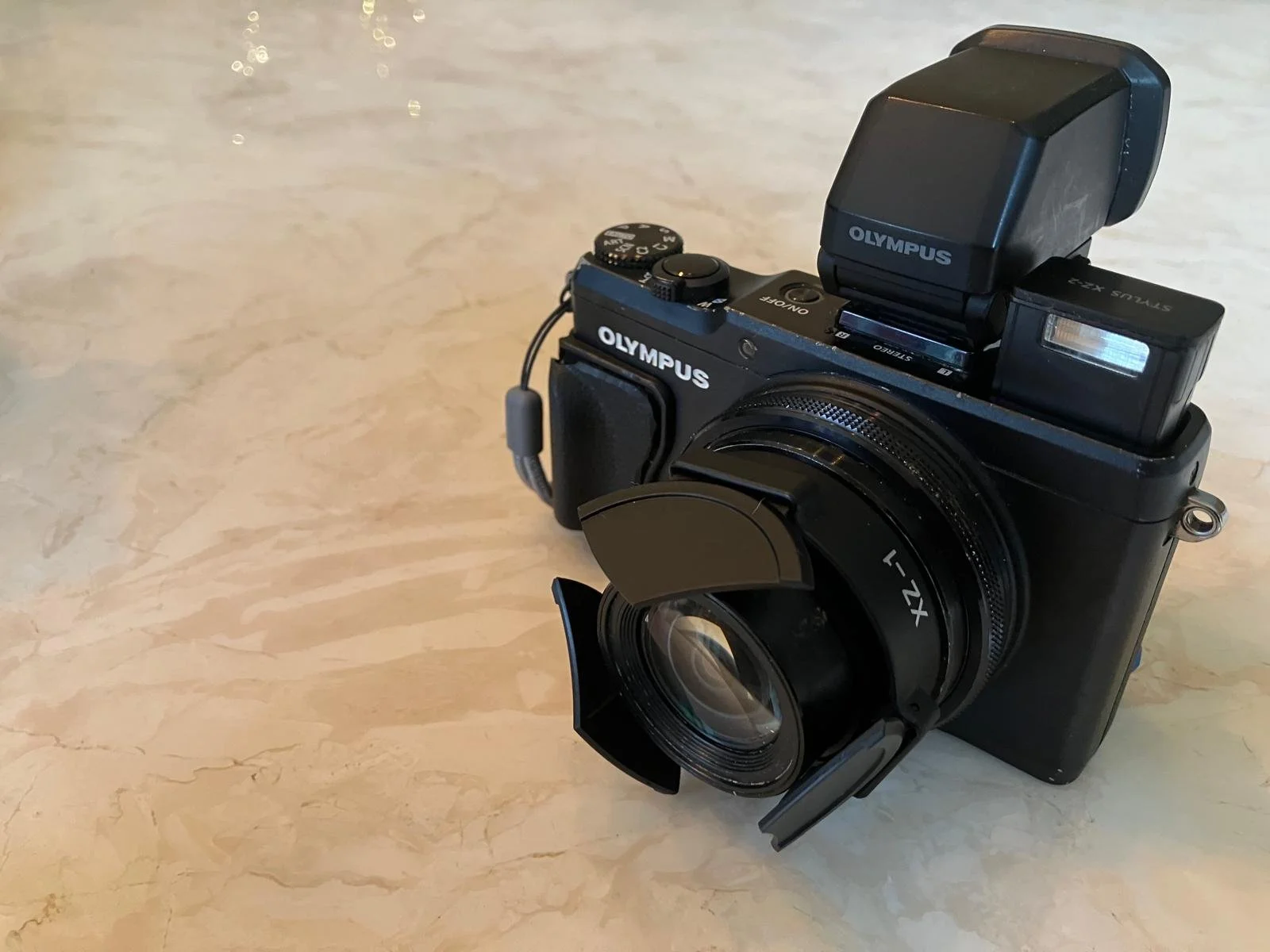
The Olympus Stylus 1S is what I currently carry. 28-300mm equivalent zoom, 12MP BSI-CMOS 1/1.7-inch sensor, built-in EVF, f/2.8 throughout the zoom range. It's not the newest camera, the sensor isn't the largest in its class. But It has a button and dial layout that suits me, feels nice in the hand, looks nice, good range of useful features. Despite owning other DSLR cameras and lenses this is the camera I more often than not pick up and take on a walk without thinking about it. And for the kind of photography I do, that counts for more than the spec sheet.
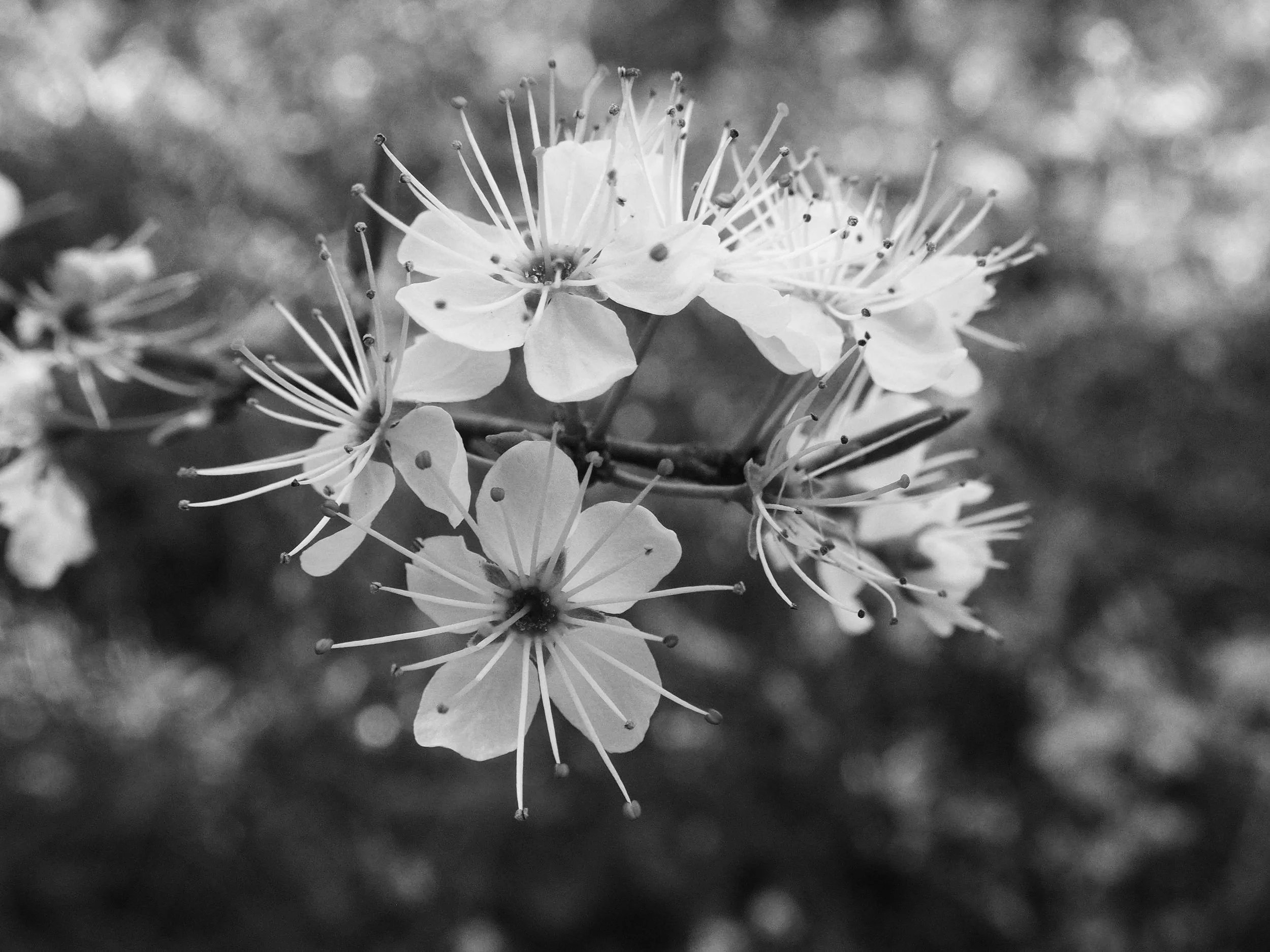
The one common factor most of these cameras have now - they're all gaining in price, a few years ago they were all affordable good cheap cameras, now you have to either shop around or bide your time for a reasonable price and quality one to turn up.
Most compact cameras are susceptible to getting dust on the sensors, it gets drawn in through the lens zooming in/out, opening and closing when you turn the camera on/off, so just double check with the seller and as most of these are older cameras, chances are you won’t be able to get them serviced. Plus watch out for things like broken battery doors or missing parts, lens surrounds, rubber grips - again chances are you won’t find any spare parts for them - batteries aren’t normally a problem, amazon or ebay generally will have third party replacements.
So does sensor size matter?
Yes — but not in the way most people think.
It matters at high ISO in difficult light. It matters if you're cropping heavily in post. It matters if you're making very large prints and viewing them up close.
It matters less if you compose properly in the first place, shoot at base ISO in reasonable light, and are honest about what you're going to do with the images. Most photography — even serious photography — doesn't require the absolute maximum the technology can deliver.
The sensor size debate is real but it's been inflated into an excuse for gear acquisition rather than a genuine guide to making better photographs. I've made images with a 1/2.3-inch sensor that I'm genuinely proud of. I've made mediocre images with an APS-C sensor that I've never looked at again.
The camera that gets used is always better than the camera that stays at home.