I've owned a lot of compact cameras over the years. A lot. If you've read anything else on this site you'll already know I've got a weakness for older digital gear — the Sony A350, the A700, various film cameras — but alongside those I've always run a compact of some kind as an everyday carry. Something that fits in a pocket or a hip pack, that I can grab when I don't feel like lugging a DSLR body and a bag of lenses around with me. The search for the right one has been, to put it charitably, ongoing.
I've been through Fujifilm compacts, Canon G and S series, Panasonic LX models, a Leica X2, the Olympus XZ-2, and various others along the way — with varying degrees of enthusiasm for each. Never quite finding that perfect camera. You know the one. The camera that has everything you want without the things you don't, that handles exactly right, that produces results you're genuinely happy with rather than ones you've learned to tolerate. I've often thought the ideal solution would be to build a hybrid out of all of them — take the sensor from one, the viewfinder from another, the handling from a third — and finally have something that ticks every box — wishful thinking, i know.
The Olympus Stylus 1s gets closer to that than anything else I've used in this category. Not perfect — nothing is — but closer.
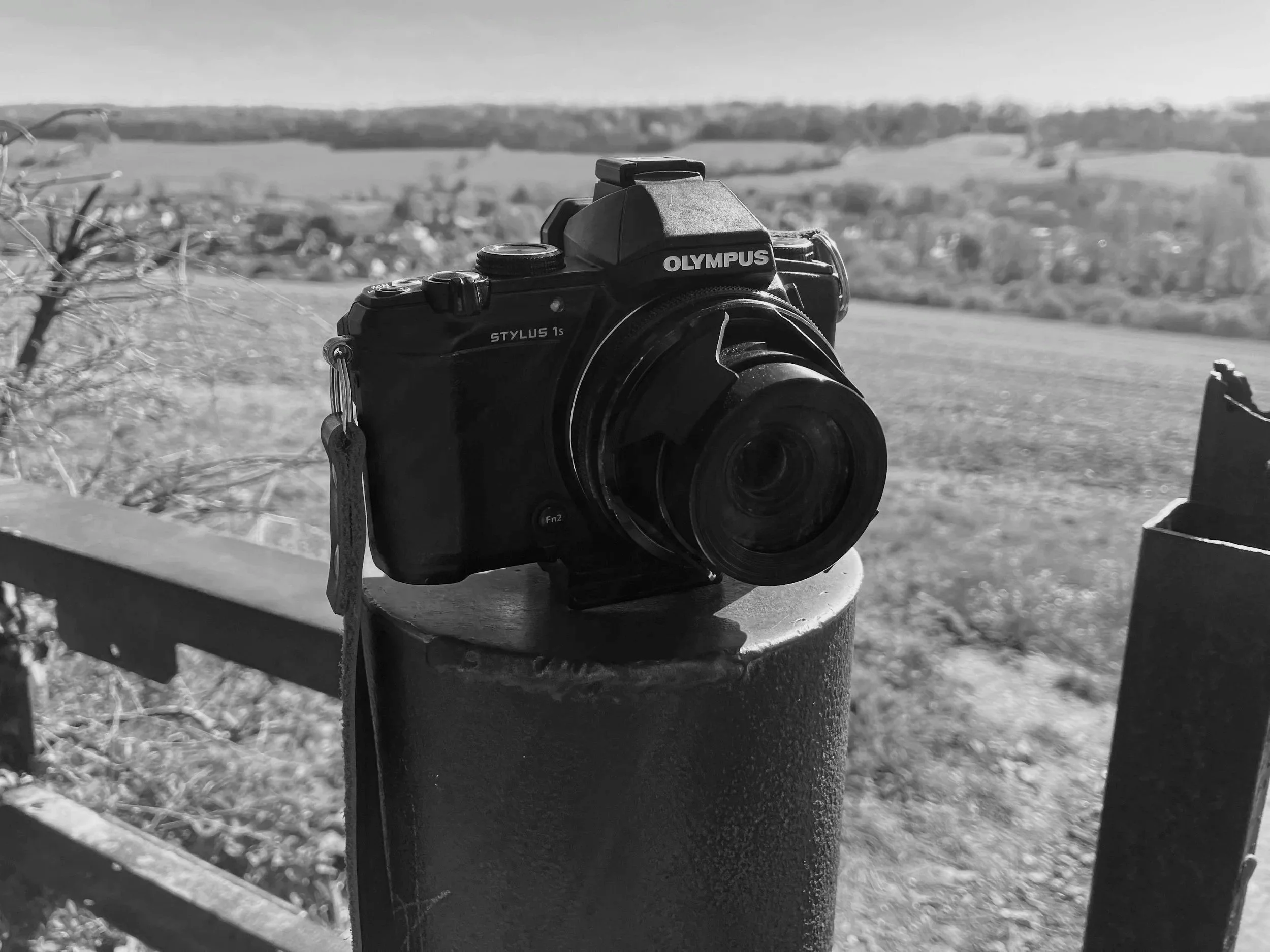
How I Got Here
Before the Stylus 1s, I was using the Olympus XZ-2 with the absolutely brilliant VF-4 clip-on viewfinder. I liked that camera a lot — it's a capable, well-built compact with a fast lens and decent image quality for its sensor size. The problem was the viewfinder. Clip-on viewfinders are a compromise at the best of times, and the VF-4 bolted onto the XZ-2 made the whole thing clunky, aesthetically questionable, looking like a prototype of a camera that never quite got finished and — critically for me — too bulky to fit properly into my Lowepro hip pack.
Before the XZ-2 I'd had the Panasonic LX100 and the Leica X2 — both cameras with larger sensors than the XZ-2's 1/1.7-inch chip. Moving from the X2 in particular to a smaller sensor compact made me cautious. The Leica's APS-C sensor has a quality to it that's hard to argue with, and stepping down felt like a compromise I wasn't entirely comfortable with. That scepticism followed me to the Stylus 1s when I first started looking at it seriously.
What changed my mind was the built-in EVF. Not an add-on. Not something clipped to the hot shoe. Just there, built into the body, with 100% coverage and 1.44 million dots of resolution — better than a lot of viewfinders you'd find on interchangeable lens cameras at the same price point and of that era. The moment I realised I could have a genuinely pocketable compact with a proper built-in viewfinder and that lens, the sensor size concern started to feel secondary.
That Lens
Let's get to the thing that makes the Stylus 1s genuinely unusual, because even in 2026 — over a decade after it was announced — the lens specification is remarkable.
28-300mm equivalent. Constant f/2.8 throughout the entire zoom range.
That second part is the bit that matters. Most zoom lenses, whether on compacts or interchangeable lens cameras, have variable apertures — they start bright at the wide end and get progressively slower as you zoom in. By 300mm on a typical kit zoom you might be at f/6.3 or worse, which limits your options considerably in anything less than ideal light. The Stylus 1s stays at f/2.8 whether you're shooting at 28mm or all the way out at 300mm. Fitting a constant f/2.8 aperture into a lens that zooms 10.7x and sits on a compact body that weighs 402 grams is genuinely impressive engineering, and Olympus knew it — the Sony RX10 launched around the same time with a similar bright zoom, but at roughly twice the weight and with considerably less reach.
In practical terms it means the camera handles low light far better than the sensor size alone would suggest. The f/2.8 aperture is compensating for the sensor's limitations in a way that most compact cameras at this price level simply can't. And for those who think a 1/1.7-inch sensor at f/2.8 can't produce any meaningful background separation — I'd encourage you to try it at 200/300mm on a subject with some distance behind it. The depth of field is thinner than you might expect. Not interchangeable lens territory, but real enough to be useful.
The zoom range itself is something I've genuinely appreciated out on walks. I don't have to think about whether I've got the right focal length for what's in front of me — 28mm covers wide landscapes, 300mm pulls in distant details, and everything in between is available instantly without changing a lens or swapping bodies. For someone who walks and photographs simultaneously, that versatility is worth a lot.
In the Hand
I find the Stylus 1s a joy to hold and use. That's not a phrase I use lightly — I've handled enough cameras over the years to know the difference between one that fights you and one that cooperates. The button layout is logical, the controls fall naturally where your fingers expect them to be, and I can change settings without taking my eye from the viewfinder or looking down at what I'm doing. That last point matters more than people give it credit for. If you're trying to work quickly and the camera demands your visual attention every time you want to change something, you miss things.
Having owned several Olympus and OM-D bodies over the years, the menu system is familiar territory. Anyone coming to it cold might find it a little involved — it's a customisable camera with a lot of options — but the core controls are accessible and intuitive once you've spent some time with it. The hybrid control ring around the lens is particularly useful, switchable between aperture control in clicked mode and zoom or manual focus in smooth mode depending on what you need. Combined with the sub-dial on the top deck, you've got most of what you need within reach without diving into menus.
The build quality is solid. It feels like a camera that will take some use without falling apart, which is what you want from something you carry regularly. There's a substantial quality to it — not heavy, but not plasticky and light in a way that makes you doubt its durability. It weighs 402 grams with battery and card, which is noticeable but perfectly manageable, and it fits into my hip pack the way the XZ-2 with the VF-4 never quite did.
The Sensor Question
Yes, the 1/1.7-inch sensor is the smallest of the cameras it competes with. The Sony RX100 series uses a 1-inch sensor. The Fujifilm X100 series uses APS-C. My own Leica X2, when I had it, was also APS-C. Against those benchmarks the Stylus 1s is giving something away on paper.
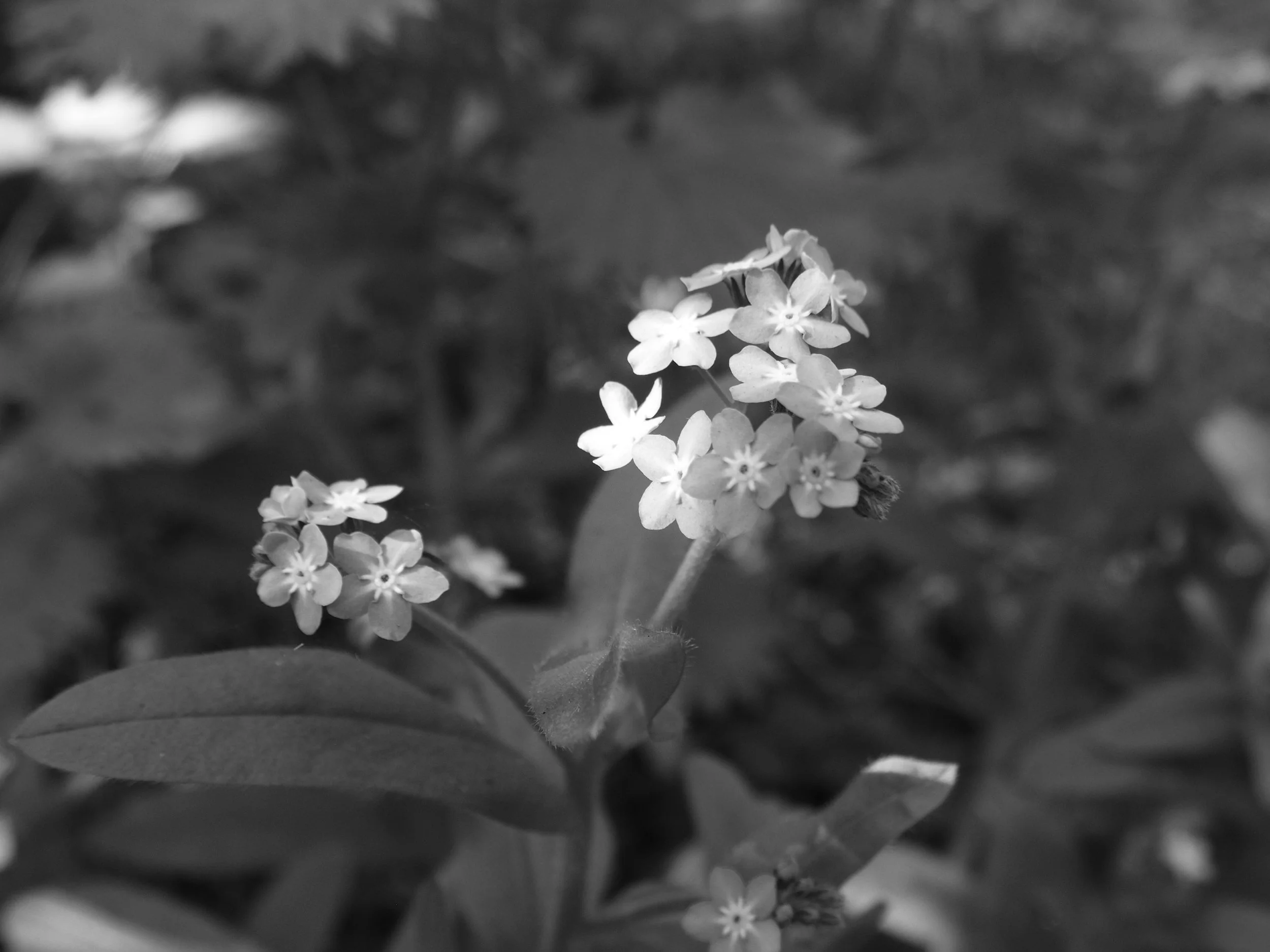
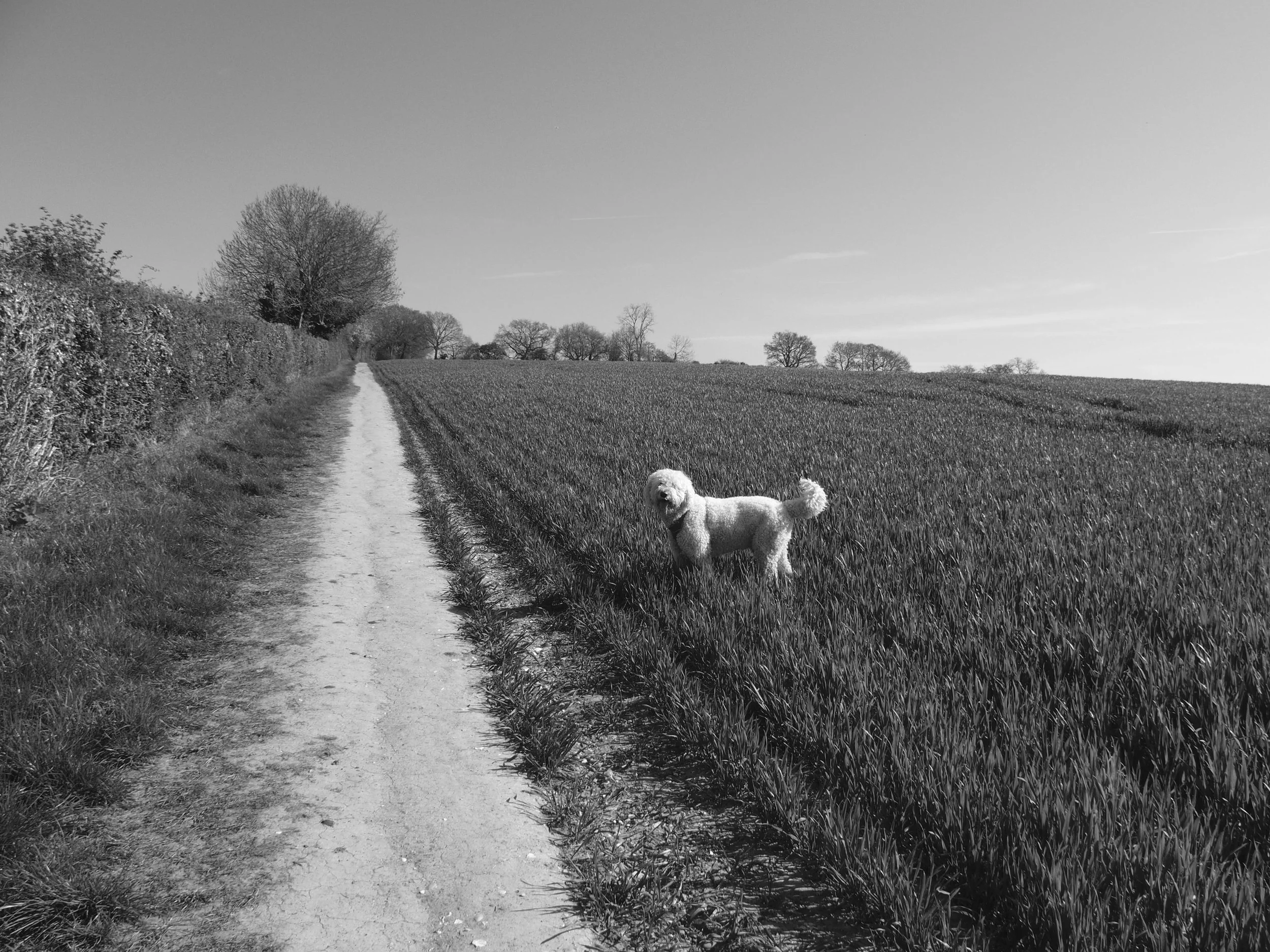
In practice I've been pleasantly surprised. I shoot black and white JPEG only — straight out of camera, no post-conversion from colour RAW — and the images the Stylus 1s produces are ones I'm genuinely happy with. Not just satisfactory — actually happy. I have no hesitation putting them on the website alongside images from the Sony A350, and I expect some of them will eventually find their way onto smaller prints. For a camera I was sceptical about before I bought it, that's a meaningful shift.
Up to ISO 800 the results are clean and sharp. ISO 1600 is still very useable. Beyond that it's more situational, but for the kind of walking photography I do — mostly outdoors in reasonable light — the higher end of the ISO range rarely comes into play. The combination of the f/2.8 lens and the image stabilisation means I can work at lower sensitivities in conditions where a slower lens would be forcing the ISO up considerably.
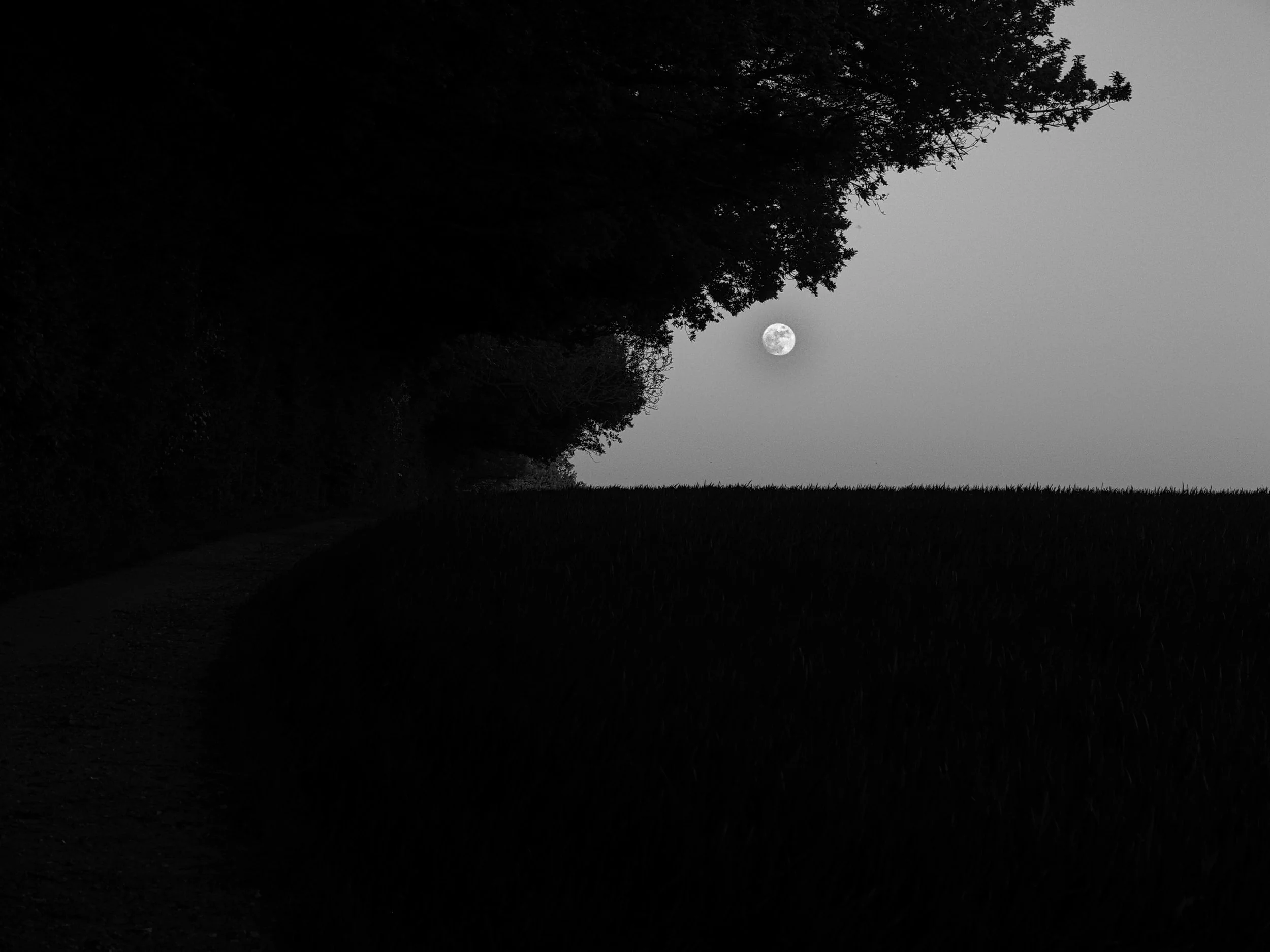
One thing I will say for the Olympus colour science — or rather the black and white rendering, since I've never taken a colour image with this camera — is that there's enough in the monochrome settings to get genuinely pleasing results. Adjustable contrast, highlight and shadow curves, sharpness, and the coloured digital filters that let you control how different tones in the original scene translate to grey. It doesn't have the depth of adjustment you'd find in a modern OM System body or a Fujifilm with its film simulation options, but it's enough. More than enough for what I need.
A lot of people rave about the Grainy Film II art filter as a way of getting a vintage film aesthetic in camera. I've tried it. It's not for me. I'd rather shoot the way I always shoot and do a little work in post if something needs it. Each to their own — but if you're expecting that to be a major selling point, it might be worth trying before you decide.
What I Actually Use It For
The video mode I can't comment on — I've never used it. The record button on my copy is mapped to a different function entirely, which tells you where video sits in my priorities.
What I do use regularly: the built-in ND filter, which is genuinely useful for controlling exposure in bright conditions without having to stop down to the point where diffraction starts softening things; the macro mode, which gets you surprisingly close and produces results I've been pleased with; and the highlight metering mode, which on a bright day in high contrast conditions is exactly what you want. That last one in particular is something I value — the Chilterns in summer can produce some punishing contrast, and having a metering mode that prioritises protecting the highlights is more useful to me than any art filter.
The built-in EVF with its eye sensor — which switches automatically from the rear screen to the viewfinder when you raise the camera to your eye — is one of those features that sounds like a minor convenience until you've used it and then can't do without it. It works well, the viewfinder is bright and clear, and it means I'm almost never shooting from the rear screen unless I'm deliberately composing at a low angle where the viewfinder isn’t practical, then I use the tilting screen.
The step zoom function, which jumps the lens directly to preset focal lengths — 28mm, 35mm, 50mm, 85mm, 100mm, 135mm, 200mm, 300mm — is more useful than I expected. Rather than trying to find an exact focal length on a smooth power zoom, you can call up a specific length instantly, which suits the way I prefer to work.
The 2026 Context — And the Price
Here's where it gets interesting. The Stylus 1s came out in 2015 at a launch price of $699 — which positioned it against some serious competition at the time. In 2026 you can find used copies for around £150-200 depending on condition. Some go for more if they're in exceptional condition, but sensible money for a working copy is well south of £200.
Compare that to what sits at the top of the compact camera market right now. The Fujifilm X100VI — one of the most talked about compact cameras of recent years — is around £1,600. The Sony RX100 VII, if you can find one, is similar money. The Ricoh GR IIIx sits at around £900. All excellent cameras. All with capabilities the Stylus 1s can't match in certain areas — particularly sensor performance at high ISO and autofocus sophistication.
But the Stylus 1s has a 28-300mm zoom lens at constant f/2.8 that none of them can touch. The X100VI has a fixed 35mm equivalent. The GR IIIx has a fixed 40mm equivalent. The RX100 VII zooms to 200mm but its aperture narrows to f4.5 as you do. For versatility across a wide range of shooting situations, the Stylus 1s does something none of its more expensive modern competition actually does.
That's not an argument that it's a better camera overall. It isn't, on most technical measures. But if what you need is a pocketable, competent, genuinely versatile compact with a proper viewfinder, real manual controls, and a zoom range that covers almost everything — for £200 used — the Stylus 1s in 2026 is difficult to argue with.
Is It Still Worth It?
For me, yes. Genuinely. It fits the gap in my kit that I've been trying to fill for years — a compact that works alongside my DSLRs rather than feeling like a compromise I'm making excuses for. The images sit comfortably with my other work. The handling suits the way I shoot. The viewfinder means I'm not squinting at a screen in bright light. And the lens is doing things no phone camera and very few compacts at any price can replicate.
If only you could build a hybrid out of all the best compacts I've owned over the years — the sensor from one, the lens from another, the handling from a third. The Stylus 1s isn't quite that camera. But of everything I've used in this category, it's the closest I've found.
Looking for one now? Check current used Olympus Stylus 1s prices on eBay.
This page contains affiliate links. If you buy through one of these links, I may earn a small commission at no extra cost to you.