How often have you heaped pressure on yourself to get the shot?
You set the alarm for 3am. You drove to the location, parked up, and hiked a considerable distance in the dark to reach your chosen spot. Maybe you already had a composition in mind — somewhere you'd been before, or a location you'd seen in a book or online. Either way, you arrived with expectations.
Time passes faster than you expected. You're still searching for a composition, moving around, second-guessing yourself, watching the sky with one eye and the viewfinder with the other. The light starts to break. You get the tripod down, the camera locked in, and then the wind shifts, the cloud cover moves in an unexpected direction, and the shot you'd planned no longer works. You pick everything up and move again.
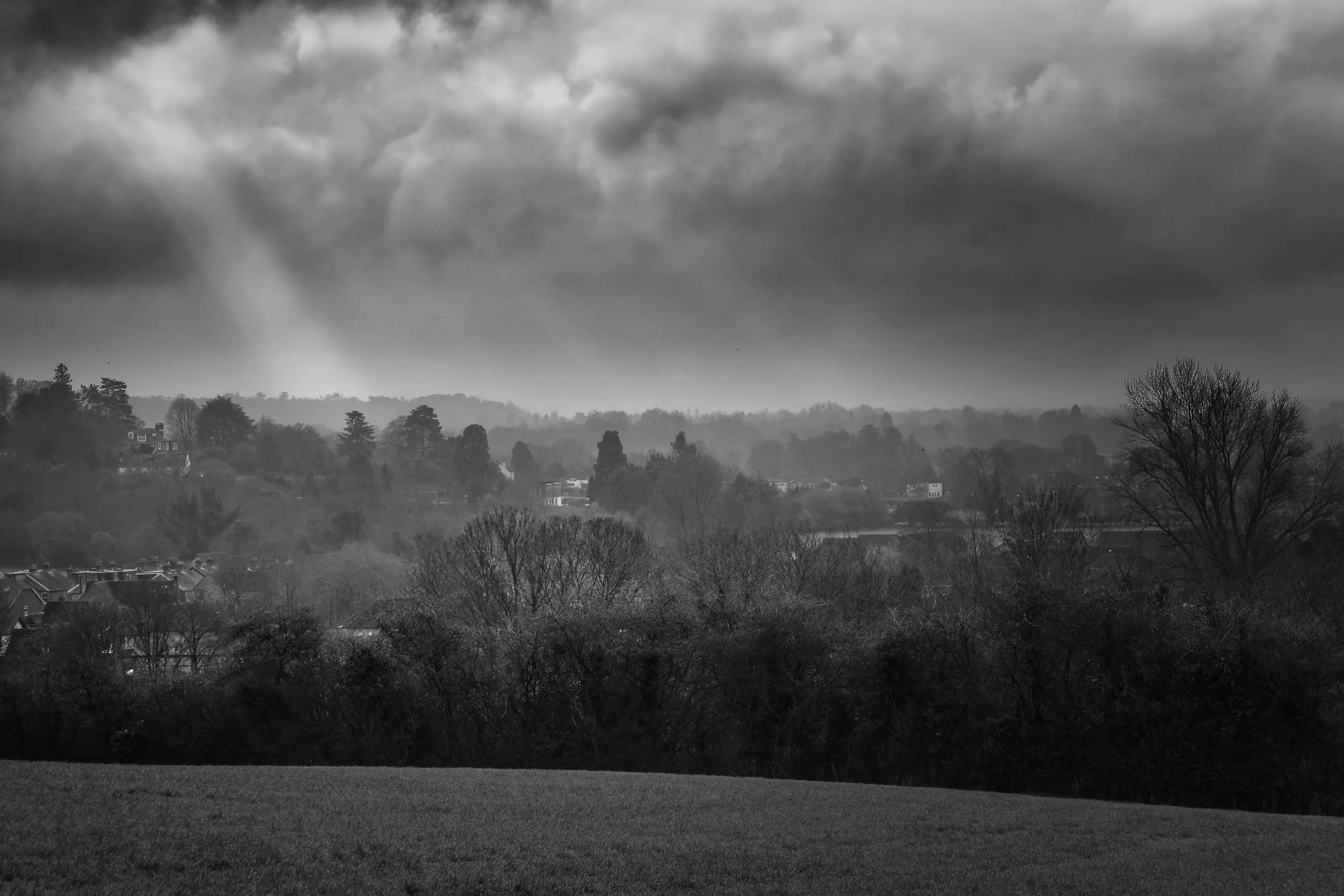
The stress of it. All for a tight window of opportunity — the window of hope — where everything either comes together or it doesn't.
Say you get the shot. You drive home, slot the card into the laptop, open the file. It's impressive. You share it, you get your window of likes and comments, maybe you even print it and hang it on the wall.
But when you look at that image — do you actually remember the experience? Do you remember what that sunrise looked like with your own eyes, or only through a viewfinder? Do you remember how the air felt, what the walk in was like, what was happening around you? Or is it just a blur of stress and movement that happened to produce a good file?
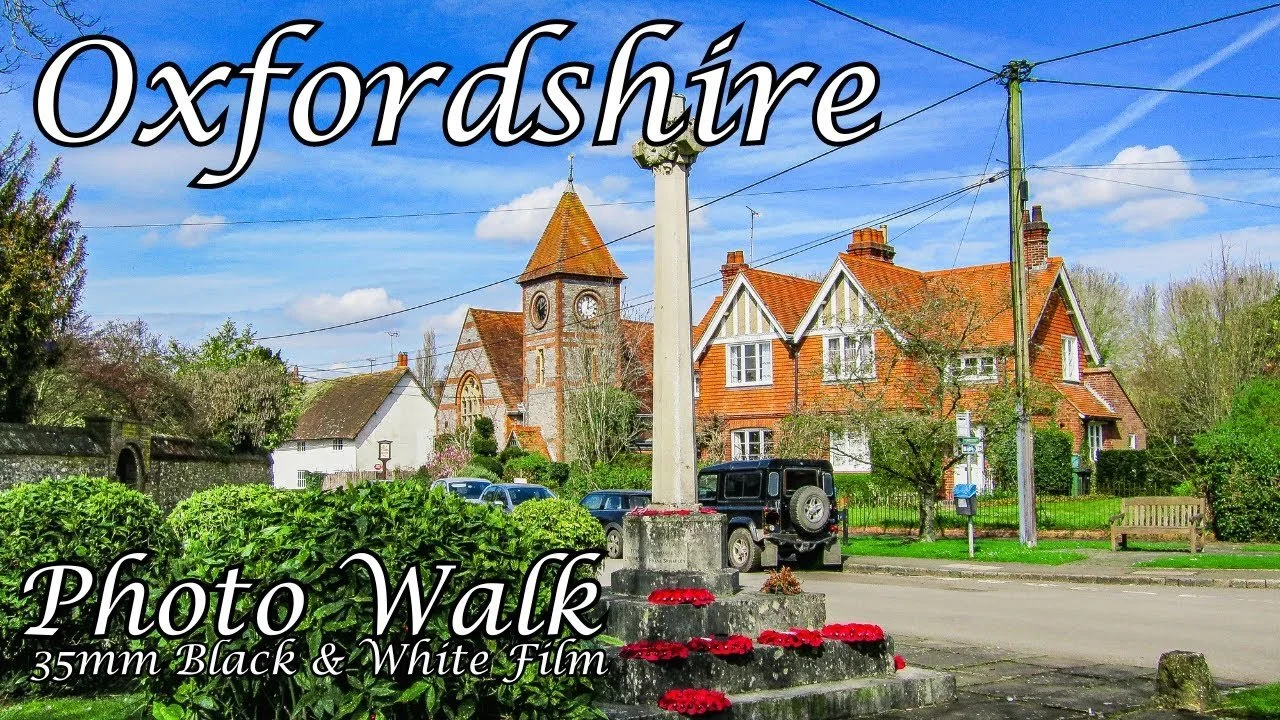
I've been there. When I was making YouTube videos I visited some genuinely wonderful places — quiet countryside villages, hidden corners of rural England that most people drive past without a second thought. But when I think back on them now, I don't really remember them. Not properly. I was too busy filming to experience them. They look nice in the video. But I never made a real connection to those places because I was too caught up in trying to capture them the best way I could. My photography suffered for it too — a casualty of chasing content rather than moments. I was caught in a trap, and it took me a while to realise it.
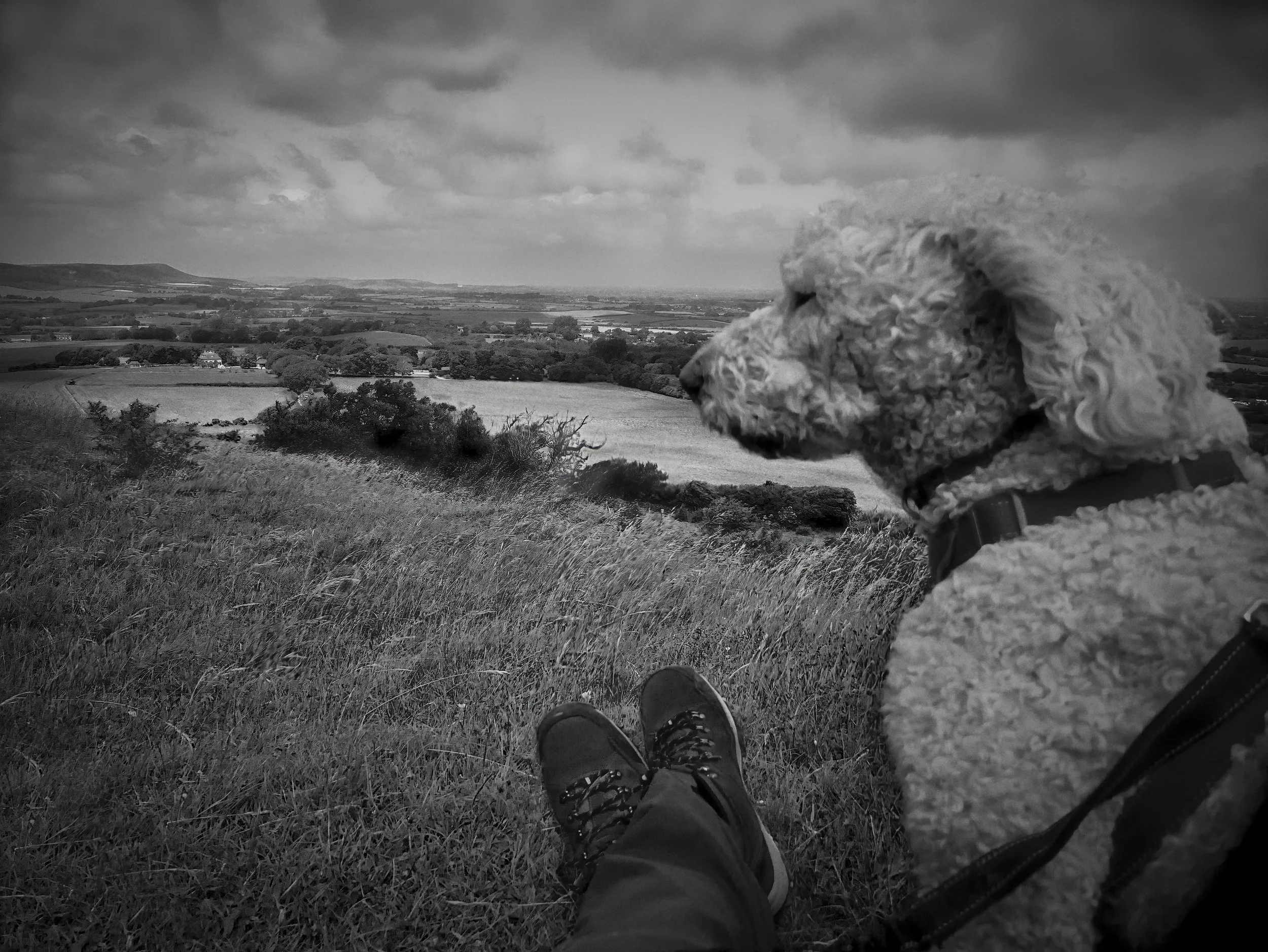
These days the experience comes first. I make sure I enjoy the walk. Elvis and I find somewhere to sit, we have snacks, a flask of tea, and we take in our surroundings without any agenda. I'm not chasing images — I let them come to me. And my photography is better for it. Some of my best work has come from impromptu moments, discovered moments, reactive moments on the walk. Never a forced or chased one.
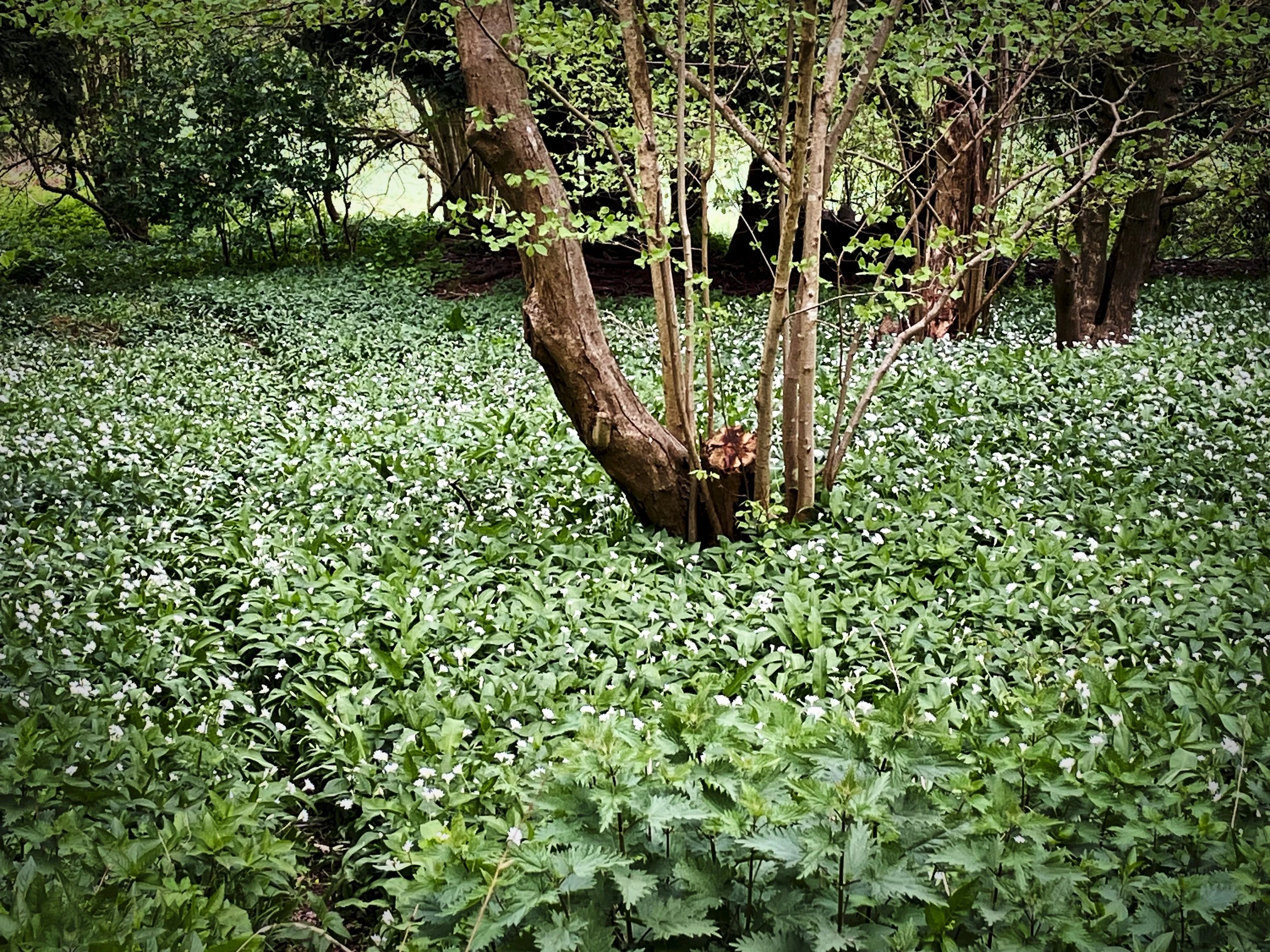
The smells, the sounds, the things you only notice when you slow down. On a recent walk near Watlington, before I even saw the wild garlic I could smell it — that sharp, unmistakable scent drifting through the trees. You don't get that through a viewfinder. You only get it if you're actually there, in it, paying attention.
I can look back at almost any image I've taken over the last few years and remember exactly where I was, where we were heading, what the weather was like, how the walk felt. Not because I have a particularly good memory, but because I was actually present when I took it. I wasn't in my head worrying about the shot. I was just there.
The difference between a digital file and a memory is presence. You can have both — but only if you let the experience happen first.
So next time you're out — before you reach for the camera, before you start thinking about compositions and light and settings — just stop for a moment. Look at where you are. Actually look at it.
The shot will come. It always does. But the experience only happens once.